The Number Of Solutions Is Just Not Enough

I just came across a couple of companies like DMAI that provide Philippines based analytics outsourcing to overseas clients. I guess that makes about a half dozen companies that I know of that are seriously trying to take advantage of the huge opportunities out there to push the Philippines to the forefront of global analytics solutions.

However, its just not enough. I see more and more Filipinos everyday employed in analytics for a wide range of companies. The number of analysts out there has mushroomed from a few thousand to tens of thousands in just a few years. Yet, a large percentage of these analysts need a lot of help to optimize the analytics in their businesses.

The efforts of big industry, working with the government and higher education to include analytics training within college curriculums is really picking up steam with dozens of schools in the early implementation stages of preparing tomorrows analytics talent.  Yet, the projections are so staggering that even if every schools filled every planned class to the max we will stall have a huge talent shortage.

1508982_603376689807778_4892012849582809050_n

I am equally excited to dive deeper into the midst of this opportunity as I am sometimes a little overwhelmed with where to focus most of my energy.

Writing books, teaching courses, training, public speaking, setting up data science teams, taking on more outsourcing clients, the list just keeps getting bigger.

The number of solutions is just not enough.. .talk about being at the right place at the right time. No wonder I am having the time of my life.

DMAI Data Science > Where Dreams and Demand Meet

Building a data science team tasked with helping other organizations build data science teams is equal parts dream and demand.

There is a quickly growing need for data science capabilities in the Philippines, but there are few ways for Filipinos to learn how to be data scientists. Almost over night it seems that people are posting job requirements for high powered analytics talent with very little idea of what data science is all about.

Business analytics is just now taking root in academia and being offered as a series of elective classes. Big data is just one class. Predictive and prescriptive analytics are also just one 3-5 month class. Its just not enough.

The big companies who are committed to building their own team are scrambling to find talent in the already hyper competitive BPO industry.

That’s the demand.

DMAI_GrowMoreDMAI_shemac081815 copy

Data science as a discipline is still quite new. In the U.S. and India you are starting to see a significant number of degree programs in analytics and data science. I learned a lot about data science before it even had a name. Analytics is deeply rooted at Wells Fargo and I benefited from being in the right place at the right time to get exposed to some pretty awesome analytics efforts.

This experience unlocked an opportunity to become one of top analytic minds in my adopted home, the Philippines. The opportunity of a life time really. Now I am at a point in the evolution of my business, DMAI, where I need to find 3 people like me to join me in my quest. My quest to help organizations in the Philippines set up data science teams.

I need a dream team. Like the Eath’s Mightiest Heroes the Avengers or the NBA Champion Golden State Warriors. the DMAI Data Science Team needs the best of the best who excel in complimenting each other.

We need a big data analyst strong man in the paint, we need a visionary data modeling expert who can create great data models and pass them off to the shooter of the team, the business analyst.

That’s the dream!

It’s time to join the right and be at the forefront of spreading data science across this great island nation so full of potential.

If you feel the call that I feel and are interested then connect with me on LinkedIn and/or send me you resume at danmeyer@dmaiph.com ,

Big Data Analyst > The Guy Making Sure We Have The Data We Need

If you don’t know where that information is coming from and whether you can trust it, then it’s useless.

Imagine your data as water.

The same idea applies to big data analytics. If you don’t know where the data is coming from, your data lake will quickly start to resemble a swamp instead of what it should resemble: a reservoir, something that guarantees access, quality, and provenance.

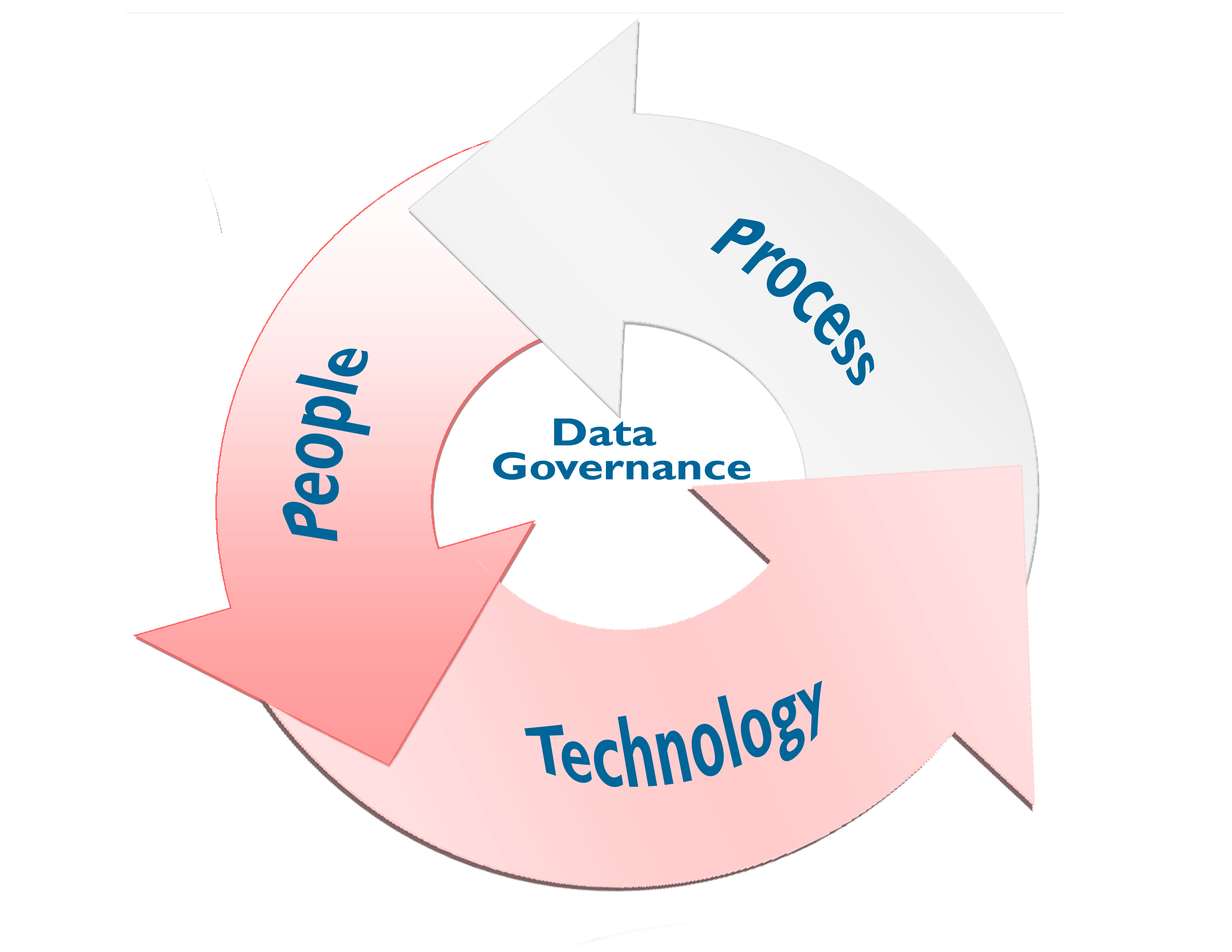
DMAI_DataGovernance

The role of the DMAI big data analyst is at the guy managing the dam at the mouth of a big river. Data analysts constitute the foundation of a data science project and they are trusted with the responsibility of capturing, storing and processing the relevant data. Data Collection, Data Warehousing, Data Transformation and Data Analysis – these are typical tasks of a data analyst.

They are the professionals who play with the tools and frameworks, like Hadoop or HBase, in a distributed environment to ensure that all the raw data points are captured and processed correctly. The processed data is then handed over to the next group of people, the machine learning experts, for taking it further.

In order to call your data a true “reservoir” or “lake,” you big data analyst needs to be able to provide the business-level guarantees that one comes to expect from a data warehouse.

If you are able to create this type of environment the you should have no problem using data analytics in your business, then you are the ideal Big Data Analyst candidate. You are a pro with apps Hadoop, MapReduce or HBase and have the analytical skills required to become a successful data analyst.

A data analyst should be flexible to learn new tools according to the changing business needs and always be willing to upgrade to specialized techniques related to data analysis. Just like the guy controlling the flow of water from a lake to the community that lives off it.

Once we have the guy who makes sure we have the data we need, when we need it, then the DMAI Data Science Team will be complete.

Data Modeling Analyst > The DMAI Data Science Team Middle Man

The person is the middle is often the most important one. When it comes to data science, the person who takes the data provided by the big data analyst and then gives the output of refined data to the business analyst is often the data science team MVP.

As modeling experts play the role of a link between the data analyst and the business analysts.They have to know both the business and the data and then also know which type of analytics to apply.

3.8.2

Modeling experts are primarily responsible for building data models and developing algorithms to draw conclusive information. Their job is to ensure that the derived information is well researched, accurate, easy to understand and unbiased.

Ideal Candidates with statistical background, having a deep interest in quantitative topics, and are usually preferred for the role of machine learning experts. The ideal professional must have a solid understanding of data algorithms and data structures in specific, and software engineering concepts in general.

Knowledge and experience with not only descriptive analytics, but also both predictive and prescriptive analytics is a plus.

  • Descriptive Analytics looks at the past to explain the present.
  • Predictive Analytics uses past data to model potential futures.
  • Prescriptive Analytics use past data to direct variable present and future options.

If you know someone looking to join the DMAI Data Science team to help businesses and schools around the Philippines set-up and/or build out data science capabilities then please tell them about this post.

What Is Data Science and Who are Data Scientists?

Per Wikipedia, Data Science is the extraction of knowledge from large volumes of data that are structured or unstructured, which is a continuation of the field data mining and predictive analytics, also known as knowledge discovery and data mining (KDD).

Does anyone know  a “data scientist”? Data scientists work with large data sets, analysis models, and technological solutions to help businesses drive more data-driven decisions. This is known as data science. Data scientists should have these six skill sets:

Tech Skills

  • Programmer
  • Statistician
  • Domain SME

People Skills

  • Artist
  • Client Facing
  • Communicator

As you can imagine, it is very difficult to find people who have expertise in all 6 skills sets.

DMAI Diagram_shemac101_081015 copy

The unique blend of skills required for a role on a data science team is being debated and almost everyone around the globe who is associated with Big Data, Analytics and Visualization has opinion on this topic.

DMAI has determined that the best lineup for our clients in the Philippines is a veteran business analyast, a big data analyst and a data modeling expert.

Ask me how you can get a data science team set up in your business.

DMAI Data Science Team Member #1: The Business Analyst

“We know that one of the first things lead business analysts need to do is to uncover the real issue, problem or business need. And then make sure that whatever requirements or ideas are suggested align with the thing we were trying to address in the first place” – The Business Alchemist

The first person to be recruited for the DMAI Data Science Team will most likely be a business analyst.

Some of they key personality traits for the DMAI BA include understanding how to use data to tell stories that elicit action. The BA has to be a great communicator who also understands data architecture and big data. Experience working in the BPO industry is a plus.

Data exploration and data visualization are the two most important responsibilities associated with the role of a business analyst. Business analysts work with front-end tools like Tableau as related to the core business and interact with the higher management of an organization. They further analyze business-level data provided by the data modeling analyst to find out insights related to the organization’s core business interests.

Another important responsibility of a business analyst is to coordinate with the big data analyst and the data modeling analyst to make them understand the business objectives and identify possible focus areas. The ultimate responsibility of a business analyst is to produce actionable insights based on the processed data and help the company leadership in their decision making process.

GROW

Ideal business analyst candidates should have expert level knowledge on the underlying business data and source systems. The ideal candidate should have an eye for details and must possess exceptional analytical skills. Moreover, solid understanding of the organization’s business model and the ability to think out of the box are two important qualities that all business analysts should definitely have. It is also important to have sufficient technical skills to come up with precise dashboards using Tableau for representing business data in a structured manner.

The DMAI Data Science Team works with businesses and schools in the Philippines to build data science teams, empower data science cultures and become magnets for analytics talent.

Calling All Analysts! It’s Time To Step Up And Do More With Your Skills. Join The DMAI Data Science Team.

The DMAI Data Science Team

The DMAI Data Science Team is being assembled to offer companies and schools with the training and consulting they need to implement analytics strategies in their organizations.

Headed by analytics guru Daniel Meyer, this team of analytics professionals with diversified skill-sets will guide organizations as they build analytics teams, design analytics programs and empower the use of analytics to drive more data-driven decisions.

For your data science project to be on the right track, you need to ensure that the team has skilled professionals capable of playing three essential roles – Big Data Analyst, Data Modeling Analyst and a seasoned Business Analyst. The presence of these three types of analytics professionals, working together for a common goal, will result in proper analysis of relevant information for predicting the behavior of consumers, in line with the business objective.

522

With this end goal in mind, we are looking for three super analysts to join our team and fill each of the components. Here are the roles:

Big Data Analyst:

The role of big data analyst is at the base of the pyramid. Data analysts constitute the foundation of a data science project and they are trusted with the responsibility of capturing, storing and processing the relevant data. Data Collection, Data Warehousing, Data Transformation and Data Analysis – these are typical tasks of a data analyst.

They are the professionals who play with the tools and frameworks, like Hadoop or HBase, in a distributed environment to ensure that all the raw data points are captured and processed correctly. The processed data is then handed over to the next group of people, the machine learning experts, for taking it further.

Ideal Candidate for the Big Data Analyst role: A Big Data Analyst is predominantly a technical role. The ideal candidate does not need to be very academic but must possess technical competency on the back-end frameworks and tools used for capturing the data points. If you are pro with Hadoop, MapReduce or HBase, then the role of a data analyst would perfectly match your profile. Besides technical acumen, analytical skills are also required to become a successful data analyst. A data analyst should be flexible to learn new tools according to the changing business needs and always be willing to upgrade to specialized techniques related to data analysis.

Component 2 – Data Modeling Analyst

Analytics modeling experts play the role of a link between the data analyst and the business analysts. They are primarily responsible for building data models and developing algorithms to draw conclusive information. Their job is to ensure that the derived information is well researched, accurate, easy to understand and unbiased.

Ideal Candidate for the Data Modeling Analyst role: Candidates with statistical background, having a deep interest in quantitative topics, and are usually preferred for the role of machine learning experts. The ideal professional must have a solid understanding of data algorithms and data structures in specific, and software engineering concepts in general. Knowledge and experience with both predictive and prescriptive analytics is a plus. Capability of handling computational complexity can be considered as an added bonus.

Component 3 – Business Analyst:

Data exploration and data visualization are the two most important responsibilities associated with the role of a business analyst. Business analysts work with front-end tools related to the core business and interact with the higher management of an organization. They further analyze business-level data provided by the data modeling analyst to find out insights related to the organization’s core business interests.

Another important responsibility of a business analyst is to coordinate with the big data analyst and the data modeling analyst to make them understand the business objectives and identify possible focus areas. The ultimate responsibility of a business analyst is to produce actionable insights based on the processed data and help the company leadership in their decision making process.

Ideal Candidate for the Business Analyst role: Business analysts should have expert level knowledge on the underlying business data and source systems. The ideal candidate should have an eye for details and must possess exceptional analytical skills. Moreover, solid understanding of the organization’s business model and the ability to think out of the box are two important qualities that all business analysts should definitely have. It is also important to have sufficient technical skills to come up with precise dashboards for representing business data in a structured manner. Experience with Tableau a plus.

If you are interested in any of these roles with DMAI, please email me directly @ danmeyer@dmaiph.com

Compensation packages will be negotiated based on experience and availability. A part-time arrangement is possible for a pre-defined time period as we build out the capabilities in the team. Potential ownership in a spin-off of DMAI is also a possible form of compensation.

The primary job functions of the team will be related to consulting and training organizations on areas of expertise as well as working together on analytics projects for clients.

Our end goal is to come into an organization and empower those in the organization to address needs in their analytics usage and to grow more competent analytics teams. We will do this for both companies using analytics and schools teaching people to be analysts.

Training Analysts: And The Tasks Keep Getting Bigger

Wrote this over two years ago… its still relevant!

When I first came to the Philippines in 2012 to set up an analytics training business I was ahead of my time. No one was really talking about analytics and most people didnt really get what I was trying to do.

I saw  a huge opportunity to be at the forefront of a shift in services that would propel the Philippines forward as a place where analytics outsourcing would be successful.

After a few years of doing seminars, speaking engagements and training manily to build awareness, things are really start pick up steam.

Attendance is way up in our public training offerings, I am getting invited to more and more schools and companies are starting to really look for analytics training to both enhance their own decision-making as well as exploring offering analytics as a service.

This goes hand in hand with a memo by CHED (Commission on Higher Education) published two years ago that schools are now trying to figure out how to implement.

I have worked with a few schools already by doing a one day overview of how to meet some of the course objectives outlined in this memo, and now I am looking to expand that to a five day training. Here is what it might look like.

CHED_BA_LO_CO

This five day training will need to be eventually expanded into a semester/trimester long class.

Which is precisely what I had in mind when I did my very first Introduction to Analyitics training back in May 2012.

And now that dozens of schools need this, so my tasks keep getting bigger. I couldn’t be happier.

16649482_10155094449802425_5080201225679087647_n

Analytics Education – Facilitating a mastery of the fundamentals of analytics is what DMAIPH does best. As a key parnter of the Data Science Philippines Meetup Group, DMAIPH champions the use of using data. All across the world, companies are scrambling to hire analytics talent to optimize the big data they have in their businesses. We can empower students and their instructors with the knowledge they need to prepare for careers in analytics. Contact DMAIPH now at analytics@dmaiph.com or connect with me directly so we can set a guest lecturer date, On-the-Job Training experience or other analytics education solution specifically tailored to your needs.

Tomorrow I Will Be Facilitating A Data Analytics Workshop > I Love Data!!!

I love data!

And with that love of seeing the numbers behind things and the stories the data tells, I get to do what I do best… train people to use the data in their business to drive better decision-making.

Topics covered in the training include:

  • What is Data Analytics?
  • Overview of Data Analytics in the Philippines
  • Self-Assessment of our own Data Analytics
  • Finding, Mining and Presenting Data
  • Big Data and Data Warehousing
  • Descriptive, Predictive, and Prescriptive Analytics
  • Business Intelligence and Business Dashboards
  • Using Data Analytics to Drive Decisions

ANALYTICS CAN

The first three parts of the training set the foundation we currently see in most organizations concerned with data analytics. Knowing who are analysts and learning more about the world wide talent gap helps get us in the mind set that we have to do more with less.

The next section is all about using methodologies to be more efficient and optimal in finding, mining and presenting data. This is targeted to building better reports that do more then just report, but actually influence decision-making.

The next two sections are the heart of the class… talking about Big Data and the 3 types of analyitics. This is an area most people coming to the training really gain a lot of useful insight from.

Sections 7 and 8 are all about adding value to take a good analyst and empower them to be a great analyst.

I’m expecting 12-15 people which is the idea size for a group discussion with a lot of give and take about how data analytics is being used and what can be done to raise the bar.

Nerd alert. I love this stuff!!!

It Will Be An Awesome Recruitment Analytics Training on August 4th.

Going to be training tomorrow on Recruitment Analytics with over 30 participants.

Topics covered in the training include:

  • What is Recruitment Analytics?
  • Recruitment Analytics in the Philippines
  • Self-Assessment of your Recruitment Analytics
  • Finding the Right Data at the Right Time
  • Applicant Tracking Systems
  • Big Data and Recruiting
  • Business Intelligence and Data Visualization
  • Making Data-Driven Decisions

A definition of recruitment analytics is simply the metrics and analysis that relates to recruiting.

However, we all know its actually a lot more challenging in practice.

IMG_1224

New technologies like social networks, applicant tracking systems and business intelligence applications are fundamentally changing the entire recruitment process from sourcing to placement.

The pressure to deliver results has never been greater.

HR and Recruitment managers are now more then ever required to demonstrate the return on investment their efforts are contributing to the bottom line.

The class size is maxed out, but I will be doing another session on September 1, 2015.