The Analytics Driven Leader: Demystifying Strategy

As I prepare for spending the bulk of the upcoming year in Philippines I have several goals in mind; publish my next book, launch a new side business and spend quality time with as many of my team members as possible. And when I think of the conversations I want to have with the team, demystifying strategy and empowering more data-driven decision making are top of mind.

img_7737

Business Strategy can be a complicated thing for many reasons. First and foremost because although you can have big goals that everyone can see, the fluid nature of pushing a business forward makes it hard for many to conceptualize.

In our case we have gone from a company of 6 with one business line to a company of over 100 with six business lines in just 18 months. On top of that we have diversified from one legal entity with one purpose to three legal entities with complimentary purposes. It’s a lot to take in.

Data-Driven Decision Making can be challenging for mean reasons as well. First of all, few people on the team have a solid foundation in business analytics. Most come from companies where they either didn’t have a direct role in developing the analytics or where in companies that really didn’t value analytics. So it takes some time for people to get on board with the idea of using both data and wisdom to make decisions.

There are so many things that we can do to improve performance, enhance communication and enable more proactive thinking. Refining process flows, building better reports and having more forums for information sharing are all places to start.

My goal is by the end of the 1st quarter of 2017 we have accomplished a lot of these things. By then we will have taken some of the mystery out of our business strategy and empowered more people to look at the data as they make decisions.

Analytics Leadership – DMAIPH specializes in arming the Data-Driven Leader with the tools and techniques they need to build and empower an analytics centric organization. Analytics leadership requires a mastery of not just analytics skill, but also of nurturing an analytics culture. We have guided thousands of Filipino professionals to become better analytics leaders. Contact DMAIPH now at analytics@dmaiph.com or connect with me directly to discuss a uniquely tailored strategy to ensure you are the top of your game when it comes to Analytics Leadership.
What Is Strategy?

http://bakerstreetpublishing.com/decisioncoaching/2015/02/12/what-are-the-strategic-decisions-we-face/

I came across this perfectly timed blog post on LinkedIn. Tomorrow we will be having our first real leadership planning session in a while and we have a lot of topics on the agenda.

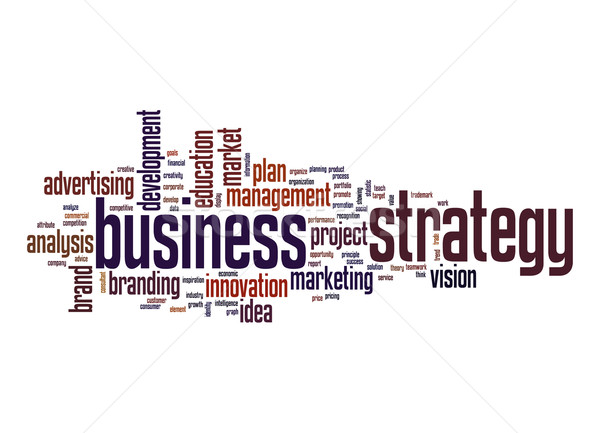
However, before we get into the nitty gritty, I will spend the first part of the meeting talking about strategy. And these concepts will form the core of that conversation.

jobspicture2

“Every business must have three things to be successful: good leadership, good strategic decision making, and the ability to execute. “

  • Good Leadership: To me this means inspiring and empowering team members to take the initiative, to be bold in problem solving and being able to balance client, customer, business and team member needs.
  • Strategic Decision-Making: Taking a logical and data-driven approach to decision-making is the best way to map out your business plan.
  • The Ability to Execute: Good leaders know how to implement decisions quickly and efficiently because they work in a sound framework of empowerment and intelligence.

Looking at closely at the data is key part of this. Good leaders do much more than just manage, and it’s important to constantly remind ourselves of this.

Analytics Leadership – DMAIPH specializes in arming the Data-Driven Leader with the tools and techniques they need to build and empower an analytics centric organization. Analytics leadership requires a mastery of not just analytics skill, but also of nurturing an analytics culture. We have guided thousands of Filipino professionals to become better analytics leaders. Contact DMAIPH now at analytics@dmaiph.com or connect with me directly to discuss a uniquely tailored strategy to ensure you are the top of your game when it comes to Analytics Leadership.

Achieving Better Results Through Analytics: What’s Your Analytics Strategy?

Just put together a pitch deck for a potential in-house corporate training.

Here’s some of the highlights…

You need an analytics strategy.

Making data-driven decisions is key to success in any business.

Having the right data at the right time makes all the difference.

Data-driven decision-making, as well as improved productivity and better overall outcomes begins with analytics.

Some of the benefits from a good analytics solution include:

  • Provide timely and targeted coaching/training to agents.
  • Ensures that the right materials are assigned.
  • Optimizes process of following agent improvements, leading to skill development and job mastery.
  • Eliminates the need for e-mailing countless excel spreadsheets
  • Schedules coaching/ training at an appropriate time.
  • Optimizes the follow up process to review impact of training and identifies when agent performance requires management attentions.
  • Give’s Management a High Level Overview of important KPIs.

IMG_6912

Business Strategy with Analytics – Aligning a business strategy to drive an organization forward requires a robust analytics solution. Businesses who have good analytics tend to be much more profitable and efficient then ones that do not. DMAIPH has helped dozens of companies in both the U.S. and the Philippines with adding more data analysis in their business strategy.

That’s why we have joined up with our key business partner PMCM Events Management to showcase our solutions at #TechToniPH in July 2017. Contact DMAIPH now at analytics@dmaiph.com or connect with me directly to find out what we can do to help you align your business strategy with analytics.


What To Do When Employees Don’t Succeed?

http://www.recruiter.com/i/4-positive-alternatives-to-firing-staff/?utm_content=buffer888a9&utm_medium=social&utm_source=linkedin.com&utm_campaign=buffer

Came across this interesting article on LinkedIn, about what to do instead of firing an employee. It caught my attention as the BPO Industry in the Philippines continues to grapple with attrition rates that are way to high.

In short, the problem is that with a perceived deep talent pool to tap, BPOs have put little effort into retention policies instead being quick on the trigger thinking they can easily find a better employee. This mindset is not only self-destructive but also badly out of line with available data. As it gets harder and harder to recruit quality employees, many times the answer is pour more money into recruiting or more money into incentives, but almost no one is putting more money into training and coaching.

When you can step out of the industry for a minute and look at the patterns its pretty mind-boggling that such a booming and vibrant industry is so short-sighted.

So, with that back drop in mind, I found this article a good one to help me and my management team put some pauses in place and do a little more due diligence before coming to the decision to give up on someone.

The 4 bullet points listed are all very good ones to chew on:
1. Employ Self-Assessments to go hand in hand with KPI data points
2. Setting clear and achievable goals to mark success
3. Targeted coaching and training
4. And redeployment to positions with a better chance for success

I’ve added these discussion topics to my next management meeting agenda and will build in additional check points within our assessment process. All in all a good read indeed!

HR & Recruitment Analytics – The recruitment and retention of top talent is the biggest challenge facing just about every organization. DMAIPH is a leading expert in empowering HR & Recruitment teams with analytics techniques to optimize their talent acquisition and management processes. Contact DMAIPH now at analytics@dmaiph.com or connect with me directly to learn how to get more analytics in your HR & Recruitment process so you can rise to the top in the ever quickening demand for top talent.