Learnings from the Face to Face Data Analytics Trainings

How Things Have Changed Since I Started

I recently conducted a week long analytics training with a key business partner and I was amazed by how far we have come. When I conducted my very first analytics training for 4 people back in April of 2012 I had no idea I’d still be doing it 12+ years later.

Back then I half expected to be busy for awhile, but eventually analytics would be so wide spread and so accessible that I would have happily worked myself out of a job at some point.

So I am still kinda surprised that has happened. I’ve conducted some close to 100 trainings, for dozens of schools, hundreds of companies and literally over 10,000 Filipinos since 2012 and at the moment it seems like that was just a drop in the bucket.

As I told the team, I had a few learnings from the past two weeks I wanted to share before we try any more face to face data analytics trainings. I broke down my feedback into the following areas:

· Marketing

· Communication

· Class Size and Time

· Class Requirements

Marketing — It has been my experience that “selling” analytics training is something that most VAs and the population in general are either unaware of or intimidated by the topic. When we have successfully marketed the training in the past, we have focused mostly on LinkedIn to search and invite people looking to upskill and ones who have at least a little experience with the subject. There is a definitely a need for analytics training for freelancers, but I think really making a point that it hands on and that they will walk away with a lot of easy to implement strategies is key. Here are my suggestions for marketing on Facebook and LinkedIn:

Facebook: Use engaging visuals and testimonials from previous trainees, emphasizing the unique benefits and career advancement opportunities your data training provides for Filipino freelance VAs.

LinkedIn: Highlight the competitive edge your training offers in securing high-value international clients, coupled with specific examples of how these skills can lead to successful freelance projects.

Communication — In the case of traveling trainers like myself, there can usually be some improvements in pre-event communication between the trainer (me), the TC POC (training center point of contact) and the main marketing and operations team. I’m pretty adept at getting around the Philippines on my own, but it would be helpful to have more lead time on go/no-go so I can make the appropriate travel adjustments. The logistics of doing face to face trainings are never as easy as one might expect the be. Here are some tips based on my experience:

First, coordinate logistics early — ensure travel, accommodation, and training materials are confirmed and ready ahead of time. Second, maintain clear communication with the trainer, providing a single point of contact who can address any questions or issues promptly. Lastly, prepare the training environment by testing all equipment, setting up the room for optimal engagement, and having a support team on standby to assist with any technical or logistical needs during the event.

I have done trainings in just every place, room size, set up and level of tech imaginable, including in a high school gym with no AC on a super hot day and even at a bar once. You put me in front of a room with people and I can just go, but the better the communication, the better the end product will be.

Class Size and Time — I can train a room of any size. However, with less than 8–10 people the effectiveness of the training can suffer a little since the exercises are designed for 10–20 people. As I told the team recently, I think in the future, given a two business day window for final go/no-go… I’d suggest we postpone any training that doesn’t have at least 8 signed up beforehand. I realize this will likely mean some more cancellations as we evolve this training, but for now, to make it worthwhile to all, I think we should stick with that number.

As for time, historically the training takes about 16–20 hours so either a 2-day x 8 hour or a 5-day x 4 hour works. However, for me, I much prefer the 2 x 8 as it keep my schedule more flexible and minimizes travel costs. I can do 5 x 4 but would request no more than two back-to-back weeks of 5 x 4. We had originally planned four 5 x 4 in succession and that would have been too much for me. Hope that makes sense.

Thinking back, a class size of 10–20 is really optimal for face-to-face analytics training because it strikes the right balance between personalized attention and group interaction. With this size, trainers can provide individual support and feedback, ensuring that each participant grasps the concepts being taught. It also allows for meaningful group discussions and activities, where participants can learn from each other’s experiences. This size fosters a collaborative learning environment while maintaining the flexibility to adapt the training pace to the needs of the group, leading to more effective learning outcomes.

Class requirements — To be fully effective, trainees MUST have Microsoft Excel on the laptops they are using in class. If they are given access to the Surge laptops on site, then we need to have MS Excel installed on them. Using Google sheets limits some of the exercises and I had to forgo doing one of the key ones, building a predictive model because the limitations to the software.

MS Excel really is a must for this training because it offers advanced features and functionalities that are essential for in-depth data analysis, which Google Sheets lacks. Excel supports complex data modeling, extensive use of pivot tables, advanced charting options, and powerful add-ins like Power Query and Power Pivot, which are crucial for comprehensive analytics tasks. Additionally, Excel handles larger datasets more efficiently and integrates seamlessly with other Microsoft Office tools, making it the industry standard for professional data analysis. Google Sheets, while useful for basic tasks, falls short in handling complex, large-scale analytics required in this training.

If Excel can’t be installed locally, then the attendees have to bring a laptop with it installed and use their own. This really is a hard requirement that we can’t get around effectively.

In conclusion, I am pretty optimistic about doing more Face-to-Face Data Analytics trainings with my key business partners. I think as we all work to continue to evolve our approach we will see much more success if we follow this learnings. Regardless, I am and always will be a big fan of the your advocacy, simply love the training centers you are setting up across the country and absolutely adore working with the team. More power to us all as we strive to crunch the numbers on a national scale.

Sincerely,

Dan Meyer

Analytics Expert

So when I sent that, I thought back to where it all started so long ago… we have indeed come a long way. However, when I can still chat with a room full of educated, accomplished Filipino professionals and data analytics is still new to them… my work is so far from being complete.
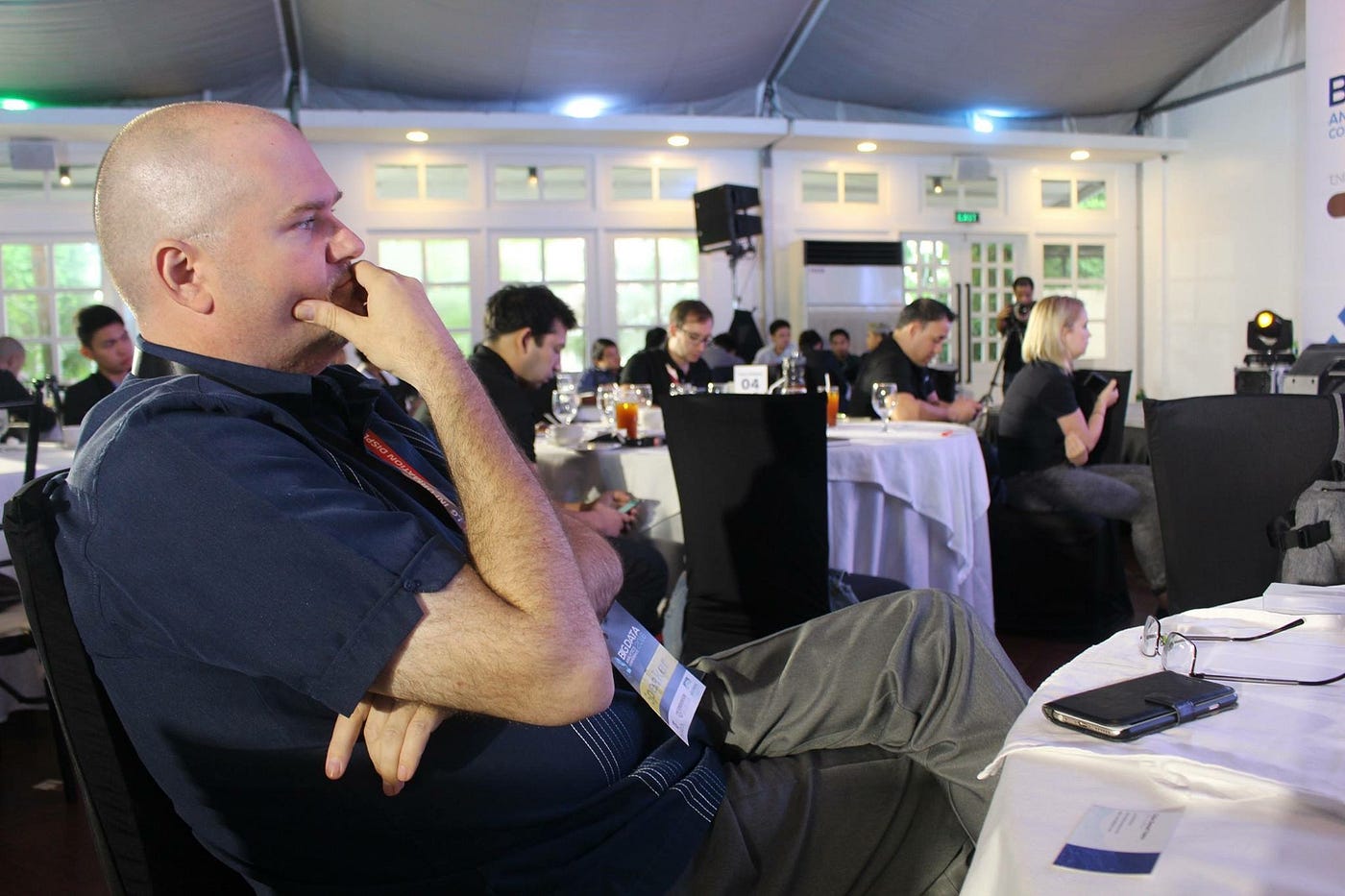
Back in 2014

MR. DAN MEYER is the President & Founder of DMAIPH, Decision-Making, Analytics & Intelligence — Philippines. DMAIPH is an analytics-centric consulting, outsourcing and training company with teams in the United States and the Philippines. We specialize in corporate analytics consulting, public analytics training and small and medium business analytics outsourcing.

One of the top analytics experts in the Philippines, Dan is also one of the most sought-after public speakers in the country and has personally trained over 10,000 Filipinos in various analytics functions. A gifted data storyteller and Tableau expert, Dan has consulted with over 300 companies and government entities in the Philippines.

Before setting up his own company, our founder worked as a Senior Analytics Consultant for Wells Fargo Bank for 15 years. Dan provided executive management analytics for the bank’s Remittance Service including developing business dashboards, overseeing competitive intelligence gathering, managing data analytics outsourcing projects and facilitating audit and risk management.

Dan earned a B.A. in History with a minor in International Studies from Sonoma State University and a M.A. in Education with a focus on Student Affairs in Higher Education from the Indiana University of Pennsylvania.

Dan recently published Putting Your Data to Work, an analytics guidebook designed to provide organizations with a solid foundation in using analytics to empower more data-driven decisions.

A Beginner’s 7-Step Guide to Data Analytics

Data analytics is a powerful tool that allows us to extract valuable insights from vast amounts of data. Whether you’re a beginner or looking to enhance your skills, this simple how-to guide will help you navigate the world of data analytics. By following these steps, you’ll be well on your way to unlocking the potential of data and making informed decisions.

Step 1: Define Your Objective

Start by clearly defining your objective. What question or problem are you trying to address? By having a clear goal in mind, you can focus your efforts and select the right data and analytical techniques to achieve your desired outcome.

Step 2: Gather Relevant Data

Identify and gather the relevant data for your analysis. This may involve collecting data from various sources, such as databases, spreadsheets, or online platforms. Ensure that the data you collect is accurate, complete, and aligned with your objective.

Step 3: Clean and Prepare Your Data

Data cleaning and preparation are crucial steps in the data analytics process. Remove any duplicates, handle missing values, and correct errors or inconsistencies in the data. Additionally, transform the data into a format suitable for analysis, such as structured tables or organized datasets.

Step 4: Choose the Right Analytical Techniques

Select the appropriate analytical techniques based on your objective and the nature of your data. This may include descriptive analytics (summarizing and visualizing data), diagnostic analytics (exploring relationships and patterns), predictive analytics (making forecasts or predictions), or prescriptive analytics (providing recommendations or decision support).

Step 5: Apply the Chosen Techniques

Apply the selected analytical techniques to your prepared data. Utilize software or programming languages specifically designed for data analytics, such as Python or R. Explore the data, perform calculations, run statistical analyses, and generate visualizations to uncover insights and patterns.

Step 6: Interpret and Communicate Your Findings

Interpret the results of your analysis and extract meaningful insights. What do the patterns and trends in the data tell you? Communicate your findings in a clear and concise manner, using visualizations, charts, or reports to present the information effectively. Tailor your communication to the intended audience, whether they are technical or non-technical stakeholders.

Step 7: Take Action and Iterate

Based on the insights gained from your analysis, take action and make informed decisions. Monitor the outcomes of your decisions and evaluate their impact. Iterate and refine your analysis as needed, incorporating new data or adjusting your techniques to improve accuracy and effectiveness.

Data analytics is a valuable skill that empowers individuals and organizations to harness the power of data. By following this beginner’s guide, you can embark on your data analytics journey with confidence. With practice and continuous learning, you’ll unlock the potential of data and make data-driven decisions that drive success and innovation.

Get ahead of the competition by learning from one of the best in the industry. Book Daniel Meyer for a speaking engagement in your company and start improving your data analytics skills now.

Daniel Meyer is the head of Sonic Analytics, an analytics firm that has been in the Big Data industry for over 20 years and has offices in Manila, the San Francisco Bay Area, and Ocala, Florida. He is an accomplished author, public speaker, and business expert specializing in virtual staffing and process automation.

Dan is known for providing big data analytics solutions, including business intelligence and data storytelling, to small businesses seeking to improve their use of data, virtual staffing, and technology. He strongly believes in using analytics for civic responsibility, and offers training, consulting, and education to promote this advocacy.

With his experience in training over 10,000 Filipinos, Dan is passionate about empowering the youth with valuable skills, such as graphic design, video editing, and data analytics. His objective is to equip them with the necessary abilities to harness the dynamic employment opportunities that lay ahead for millions of Filipinos.

Decoding Data Science: A Useful Guide to Basic Terminology (Part 2)

Welcome back to our series on understanding the basics of data science terminology! Learning these key terms is essential for anyone looking to get started in data science, and we’re here to make it easy and accessible for everyone.

Today, we will examine five additional key terms that are essential for navigating the fascinating world of data science.

  1. Artificial Intelligence

AI is the field of creating intelligent machines, including intelligent computer programs. It aims to develop systems that can perform tasks that would normally require human intelligence, such as decision making, speech recognition, and natural language processing.

  1. Machine Learning 

Machine Learning is a subset of AI that allows computers to learn from historical data to make predictions and uncover patterns without being explicitly programmed to do so. It is used in many modern technologies like recommendation systems, search engines, and voice assistants.

  1. Deep Learning 

Deep Learning is a Machine Learning technique inspired by the neural network of our brain. It enables machines to find complex patterns in large datasets by using multiple layers of computational nodes to deliver a final result in the form of a prediction.

  1. NLP (Natural Language Processing) 

NLP is the intersection of Computer Science, linguistics, and AI. It helps computers understand human language and perform language-related tasks, such as speech recognition and text interpretation. NLP enables machines to communicate with humans via natural language, and is used in many modern applications.

  1. Python 

Python is a popular programming language used for data analysis due to its versatility and user-friendliness. Its easily understandable syntax allows for quick and readable implementation of scripts or programs, making it a common first programming language to learn for beginners.

If you found this post valuable, please like and share it with your network!

Book Dan for a speaking engagement in your company today and discover how his expertise in data analytics can help take your business to the next level.

Daniel Meyer is the head of Sonic Analytics, an analytics firm that has been in the Big Data industry for over 20 years and has offices in Manila, the San Francisco Bay Area, and Ocala, Florida. He is an accomplished author, public speaker, and business expert specializing in virtual staffing and process automation.

Dan is known for providing big data analytics solutions, including business intelligence and data storytelling, to small businesses seeking to improve their use of data, virtual staffing, and technology. He strongly believes in using analytics for civic responsibility, and offers training, consulting, and education to promote this advocacy.

With his experience in training over 10,000 Filipinos, Dan is passionate about empowering the youth with valuable skills, such as graphic design, video editing, and data analytics. His objective is to equip them with the necessary abilities to harness the dynamic employment opportunities that lay ahead for millions of Filipinos.

Data Analytics in the Philippines: Unlocking Unlimited Potential

In recent years, the Philippines has seen a growing interest in data analytics, with organizations and companies investing in this field to improve their decision-making processes and gain a competitive edge. This trend is especially clear in the finance, healthcare, and e-commerce industries, where data analytics has become an essential tool for success.

The Philippine government has also recognized the importance of data analytics and has taken steps to promote its use. The Department of Science and Technology (DOST) and the Technical Education and Skills Development Authority (TESDA) have started to offer free online training courses for data analysts to fix the skills mismatch and shortage that has been seen in this field. This training is intended to cater to unemployed individuals, including high school graduates, and equip them with the necessary skills to enter the job market.

The Analytics Association of the Philippines estimates that by 2028, the country will need 500,000 analytics professionals. This need is not just in the IT field; data analysts are also needed in many other business fields. The entry-level salary for data analysts in the Philippines can go as high as P25,000 per month, making it an attractive career option for many.

To meet the demand for skilled professionals in this field, universities in the Philippines are starting to offer courses and degree programs in data analytics. The University of the Philippines Diliman has a Master of Science in Data Science program, while Ateneo de Manila University has a Bachelor of Science in Data Science program. This move by universities is important for making sure that the Philippines has enough skilled workers to meet the growing demand for data analysts.

It is also important for companies and organizations to talk to people in the industry to find out what skills are needed for jobs. As Sherwin Pelayo, executive director of the Analytics Association of the Philippines, said, “We talked to our industry members, and they said that if these skills were taught in senior high school, we would hire those who possess them.” The executive director of Philippine Business for Education, Justine Raagas, agreed with this point of view and stressed the need to talk to these sectors because they know what is needed in the workplace.

The Department of Trade and Industry has also emphasized the importance of knowing the skill sets needed by companies and training people based on these needs to ensure their employability after graduation. This approach ensures that individuals are equipped with the necessary skills that are in demand in the job market.

In conclusion, the Philippines is slowly but steadily embracing data analytics, and we can expect more changes and improvements in this field in the coming years. The government, universities, and private sector must continue to work together to make sure that the workforce has the skills it needs to meet the growing demand for data analysts. By doing so, the Philippines can position itself as a hub for data analytics in the region, and its workforce can contribute to the country’s economic growth and development.

Don’t miss out on more of Dan’s expert content. Follow his social media channels for exclusive tips, insights, and valuable information on data science and analytics.

Daniel Meyer is the head of Sonic Analytics, an analytics firm that has been in the Big Data industry for over 20 years and has offices in Manila, the San Francisco Bay Area, and Ocala, Florida. He is an accomplished author, public speaker, and business expert specializing in virtual staffing and process automation.

Dan is known for providing big data analytics solutions, including business intelligence and data storytelling, to small businesses seeking to improve their use of data, virtual staffing, and technology. He strongly believes in using analytics for civic responsibility, and offers training, consulting, and education to promote this advocacy.

With his experience in training over 10,000 Filipinos, Dan is passionate about empowering the youth with valuable skills, such as graphic design, video editing, and data analytics. His objective is to equip them with the necessary abilities to harness the dynamic employment opportunities that lay ahead for millions of Filipinos.

Devouring the Thoughts of Others

It’s not secret that one of the secrets to success is being well read.

You find a lot of people who might knock an education, offering their opinion as to how they got to where they got in life with out one or making fun of those who have one who are still idiots.

There is a lot of data out there though that is indisputable, the more education you have the higher the probability that you will be financially successful. A college degree is worth a lot more in potential earnings than a high school diploma.

But I digress, the point I started to make is that you have to read a lot. One of the indisputable benefits of a college education is you have to read a lot and read a lot of things you might not normally have read. This broadens you.

I read a lot. Like a book a week at least. And I am always reading stuff online. You can never stuff enough knowledge and wisdom in your brain. It’s impossible to fill.

So where attention goes (to being well read), energy flows (you get all kinds of new ideas), and results show (you make a lot less mistakes and errors in judgement).

And that is why I read a lot. Thanks T. Have Eker for proving my point which proves your point.

1*siq6yJ2ZOJ8XmECjxRtyhwDaniel Meyer heads Sonic Analytics, an analytics firm with offices in Manila, the San Francisco Bay Area and Ocala, Florida. With over 20 years in Big Data, Dan is one of the most sought-after public speakers in Asia and offers big data coaching and analytics training seminars on both sides of the Pacific. Dan has also recently joined the Powerteam International family as a small business analytics resource speaker. 

Sonic Analytics(www.sonicanalytics.com) brings big data analytics solutions like business intelligence, business dashboards and data storytelling to small and medium sized organizations looking to enhance their data-driven decision-making capabilities. We also advocate the use of analytics for civic responsibility through training, consulting and education.

It’s an Entrepreneur’s Life for Me

I came across this article recently that really hit home.

The gist of the article was how people who are driven, passionate and successful are often alone.

There have definitely been times over the last decade that I have been my own boss that I’ve felt alone.

However, most of the time I’m not alone. I have always worked hard to surrounded myself with people who get what it meas to be successful. Ones with a great work ethic, have a vision and possess integrity.

So when I read the article, which the above quote is a paraphrase of, I felt the need to share it and explain what it means to me.

“Not everyone is going to understand how you mind works.” This is 100% accurate. Most of the people in my life have a job. They don’t get what it means to want to work 100 hours a week so I don’t have to work 40. The freedom that comes with being self-employed makes it like most of the time I’m not even working. Teaching, training, going to meetings, conference calls, etc… they rarely feel like work. They feel like me living the life I was destined to live.

You’d think most people who think that is cool and it would inspire them as well. But it doesn’t.

Sometimes I’ve been able to impact people and move them forward towards being a successful business owner, but most of them thank me for my time and thoughts, and then go back to the life they know. “There are many people out there who are willing to settle for less.”

Now this is not a judgement by any means, its just a fact. I was like that for most of my life. I didn’t really think about doing my own thing until I was 40. I never saw it as settling, just doing what I thought was the best way to provide for my family. It wasn’t until I got to a level of expertise in my field (analytics) that I rediscovered my passion for teaching and found a way to merge the two.

Now as I do what I do, its with a great amount of “intense” passion. I live it. That scare people. It shouldn’t, but it does. People have so many forces working against them to keep them in place. It’s not easy to throw off the yoke, and break free into the world of entrepreneurship.

So this leads me back to the central theme of joining masterminds and surrounding yourself with leaders and doers and people of action.

It is the best way to meet the challenge of being alone.

1*i1tcIs8D1KDqZeBrRn6Guw

Daniel Meyer heads Sonic Analytics, an analytics firm with offices in Manila, the San Francisco Bay Area and Ocala, FL. With over 20 years in Big Data, Dan is one of the most sought-after public speakers in Asia and offers big data coaching and analytics training seminars on both sides of the Pacific. Dan has also recently joined the Powerteam International family as a small business analytics resource speaker.
Sonic Analytics(www.sonicanalytics.com) brings big data analytics solutions like business intelligence, business dashboards and data storytelling to small and medium sized organizations looking to enhance their data-driven decision-making capabilities. We also advocate the use of analytics for civic responsibility through training, consulting and education.

As citizens of this great democracy, we need to look at the data (analytics), plan a course of action (strategy) and share our data-driven viewpoints (presentation). This approach to a data savvy work force starts in school. So, we started an internship program to empower our youth to use Analytics, plan Strategy and Present their insights… ASP!

When not training current and future analysts, you can find Dan championing the use of analytics to empower data-driven citizenship by volunteering his expertise with schools and non-profits dedicated to evidence-based social progress like Saint Leo University’s Women in STEAM 2020 Conference.

Can Analytics Help a Sari Sari Store?

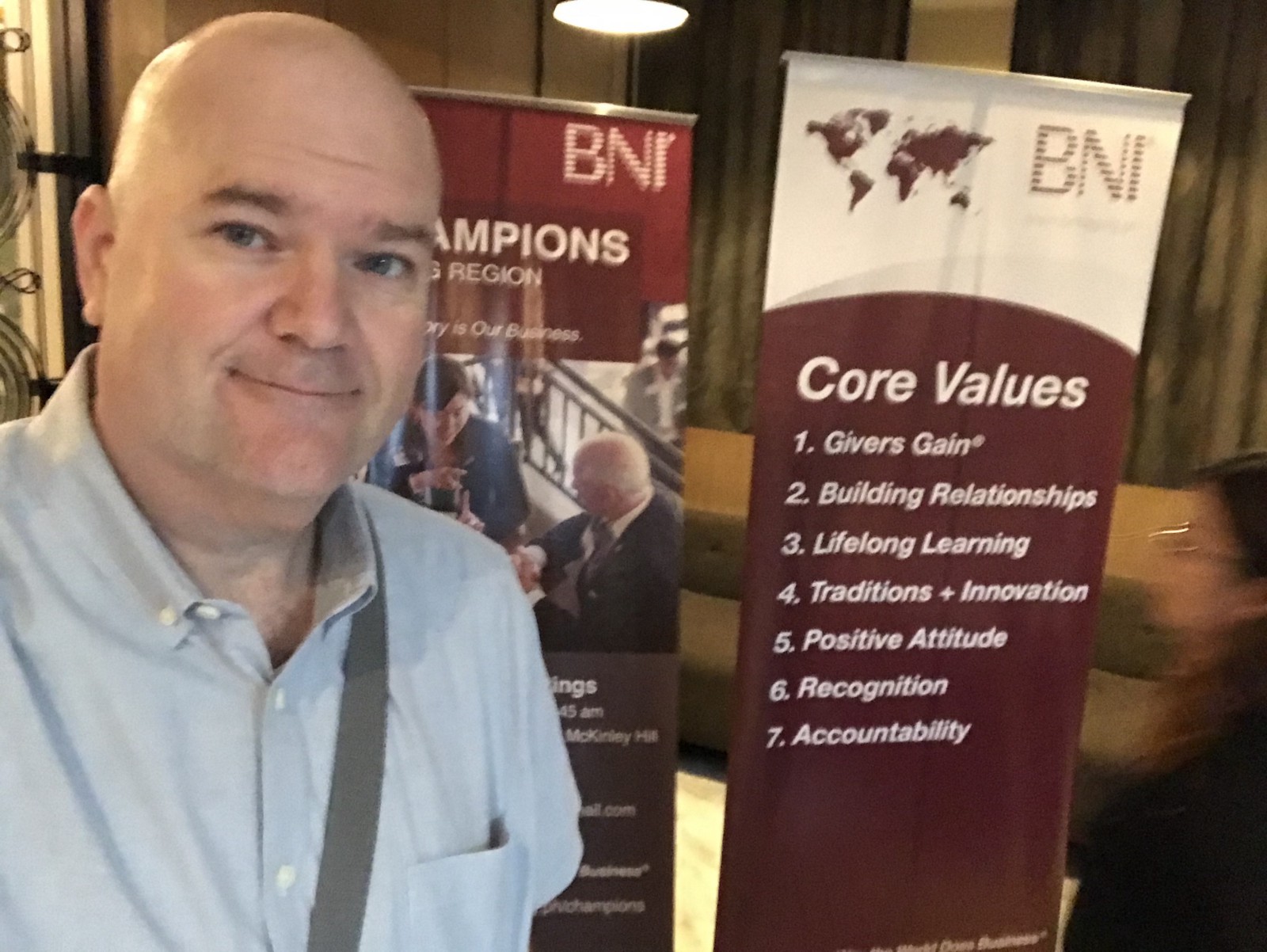
I had this interesting conversation earlier about analytics while at a BNI meeting.

I started explaining to the person I was sitting next to what I do and he asked can analytics really help any business?

Of course I said yes.

He asked even a Sari Sari store?

For those of you who don’t know much about Sari Sari stores, let me tell you a bit about them.

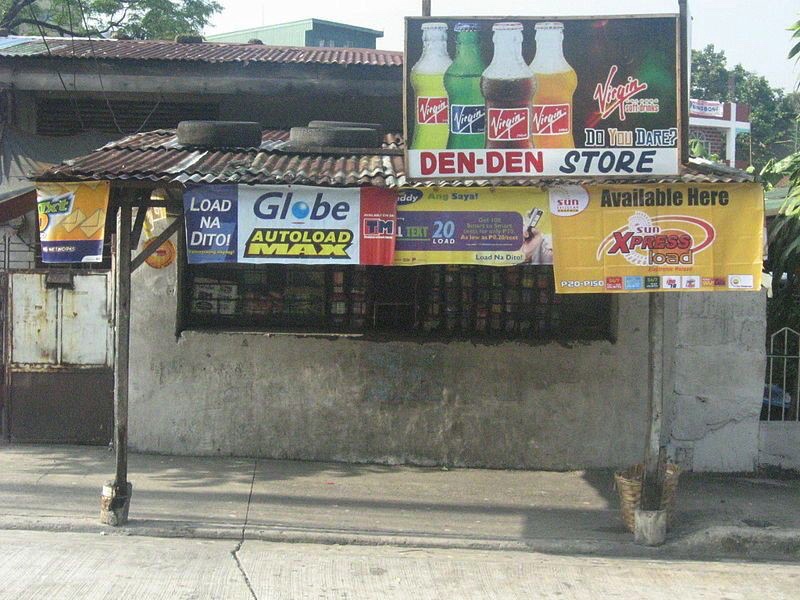
By far the most common form of self-employment in the Philippines are small, family operated convenience stores. Called Sari-Sari stores, there are an estimated 1 million Sari Sari stores across the Philippines. Per wikipedia, this counts for an estimated 30% of all retail sales in the Philippines.

Sari-Sari, which is Tagalog for variety, are an important economic and social pieces of just about every Filipino community. Most are privately run, family owned and are operated from the front of the owners house.

Commodities are displayed behind a large mesh screen to both allow customers to see what is available and to prevent shoplifting. The most common goods sold are candy, snacks and other non-perishable food items. Cigarettes and mobile phone cards are also popular items for sale. Household needs like soap, detergent and cleaning supplies are also common. Some stores have small refrigerators to offer cold drinks like soda and beer.

Sari-sari stores generally have higher prices when compared to supermarkets which is a tradeoff for proximity to their customers. It is also common to buy single units of a product versus an entire package as paying more to meet a quick need is valued over planning and budgeting bulk purchase over the long term.

Some Sari Sari stores also offer credit to neighbors. Micro lending of this scale is wide spread and generally done under the rule that if the credit is not repaid, the store owner will report this to the local government officials.

Some Sari Sari stores barter goods and services with farmer, fishermen and other businesses.

Most Sari Sari store proprietors buy their goods at supermarkets then mark up the prices for resale (on the average 20%). In some areas, businessmen make act a middle man offering bulk products to the Sari Sari store.

It is my belief that most Sari Sari stores can benefit from a simple strategic business plan and some very basic analytics.

My understanding is that Sari Sari stores operate on a very tactical level with little long term planning and operate with little market awareness.

If I ever to consult with the owner of a Sari Sari store, my initial approach would be to develop a business strategy plan and build a basic analytics process to gather data and provide a proof of concept.

This approach would be broken into the following steps:

  1. Business Strategy Assessment — How do they conduct business?
  2. Competitive Landscape — Who do they compete with?
  3. Demographic Profile — Who are their customers?
  4. Market Assessment — How much upside is in their market?
  5. Inventory Analysis — How to they optimize inventory?
  6. Facilities Assessment — Are they getting the most of their location?
  7. Risk & Security Assessment — What risks do they face?

I will flesh out each of these steps in upcoming blog posts.

Once I have complied data from these 7 steps, I can develop a business strategy plan unique to the individual Sari Sari store.

After my presentation of the business plan, I can make a determination if they Sari Sari store will enter Phase Two of the plan.

I would work with the proprietor store for a set period of time in a consulting role to determine viability of operations and if they meet our program standards (detailed later in this document).

In addition to offering a consulting solution, through my company, I can also offer additional services including cash management, accounting, marketing, inventory and fulfillment assistance, and other solutions as they arise.

Its my experience that the busiest Sari Sari stores offer something unique. Some might have an ice cream maker, or a special dish they prepare, or some have home baked goods. Regardless, they generally have something that sets them apart from a store that just offers traditional goods.

So, the final piece of my involvement would be cross selling our unique products to Sari Sari stores in need of a unique product to build their business around.

After that consultation, I would expect that three things would happen:

  1. the Sari Sari store proprietor would have a better grasp of a strategic business strategy.
  2. the Sari Sari store would increase profits and
  3. the Sari Sari store would expand its customer base and build up loyalty with existing customers.

So, to get back to the question… how can analytics help a Sari Sari store?

By applying some lessons from the corporate world.

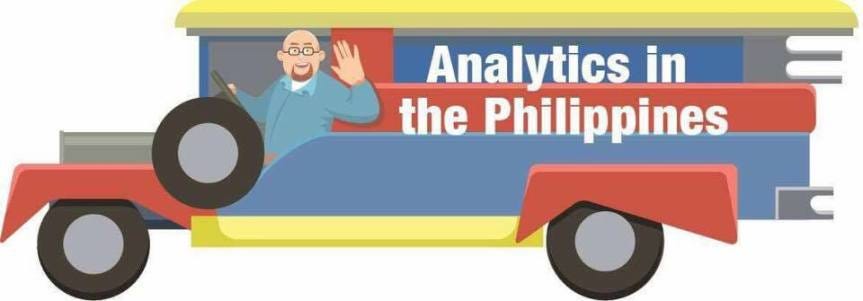
Analytics in the Philippines — The Philippines is at the center of the action when it comes to solutions to the global need for analytics. Blessed with a solid foundation of young, educated and English speaking workforce, companies around the world are look for Filipino analytics talent to fill analytics positions.

Daniel Meyer heads Sonic Analytics, an analytics firm with offices in Manila, the San Francisco Bay Area and Ocala, FL. With over 20 years in Big Data, Dan is one of the most sought-after public speakers in Asia and offers big data coaching and analytics training seminars on both sides of the Pacific. Dan has also recently joined the Powerteam International family as a small business analytics resource speaker.
Sonic Analytics(www.sonicanalytics.com) brings big data analytics solutions like business intelligence, business dashboards and data storytelling to small and medium sized organizations looking to enhance their data-driven decision-making capabilities. We also advocate the use of analytics for civic responsibility through training, consulting and education.

As citizens of this great democracy, we need to look at the data (analytics), plan a course of action (strategy) and share our data-driven viewpoints (presentation). This approach to a data savvy work force starts in school. So, we started an internship program to empower our youth to use Analytics, plan Strategy and Present their insights… ASP!

When not training current and future analysts, you can find Dan championing the use of analytics to empower data-driven citizenship by volunteering his expertise with schools and non-profits dedicated to evidence-based social progress like Saint Leo University’s Women in STEAM 2020 Conference.

Keep Yourself Accountable

The best way to ensure you are focusing on results is to have accountability partners. One knowledgeable about your industry and your vision. A mastermind is the best way to surround your self with people who can help you stay on point. They should be like a board of advisors. This concept ad part of a Mastermind group, was formally introduced by Napoleon Hill.

In his book “Think and Grow Rich“, Hill described the Mastermind principle as, “The coordination of knowledge and effort between two or more people who work towards a definite purpose in a spirit of harmony…no two minds ever come together without thereby creating a third, invisible intangible force, which may be likened to a third mind”, also known as, the Mastermind.

You should be part of a mastermind where you are helping other business minded individuals level up their businesses. You should also be part of a mastermind where you are amongst your peers, other business people at your level facing similar challenges. And finally, you should be part of a virtual mastermind with other leaders in your niche.

If you own or are thinking of owning your own business, you need to learn specifically what it takes to build an even more successful company, connect with other like-minded business owners, and discover new ways to create revenue streams!

We will show you how to use the latest technology to build even more leads, sales & streams of income! If you aren’t already thinking about how to use things like chatbots, auto responders and artificial intelligence to grow a business, you are way behind the curve. We specialize in teaching great concepts on how to become an inspiring leader, utilize great systems and become 100% laser focused!

Check out this upcoming event sponsored by DMAIPH, Sonic Analytics, Mastermind PH in the Philippines:

  • Vision to Wealth – BGC              Jan 15, 2020                 Sign Up Here

1*siq6yJ2ZOJ8XmECjxRtyhwDaniel Meyer heads Sonic Analytics, an analytics firm with offices in Manila, the San Francisco Bay Area and Ocala, Florida. With over 20 years in Big Data, Dan is one of the most sought-after public speakers in Asia and offers big data coaching and analytics training seminars on both sides of the Pacific. Dan has also recently joined the Powerteam International family as a small business analytics resource speaker. 
Sonic Analytics(www.sonicanalytics.com) brings big data analytics solutions like business intelligence, business dashboards and data storytelling to small and medium sized organizations looking to enhance their data-driven decision-making capabilities. We also advocate the use of analytics for civic responsibility through training, consulting and education.

Collaboration Is The Key To Massive Success!

This is key for being successful in today’s information age. We have an unprecedented number of collaboration tools like Trello, Monday and Calendy. We have access to a world of talent through UpWork, Fiverr & Sonic VA. We can talk with each other at any time, anywhere for free with iMessage, Skype and Zoom.

If you aren’t using these tools to build a mastermind, you are missing out. The concept of a Mastermind group was formally introduced by Napoleon Hill.

In his book “Think and Grow Rich“, Hill described the Mastermind principle as, “The coordination of knowledge and effort between two or more people who work towards a definite purpose in a spirit of harmony…no two minds ever come together without thereby creating a third, invisible intangible force, which may be likened to a third mind”, also known as, the Mastermind.

You should be part of a mastermind where you are helping other business minded individuals level up their businesses. You should also be part of a mastermind where you are amongst your peers, other business people at your level facing similar challenges. And finally, you should be part of a virtual mastermind with other leaders in your niche.

If you own or are thinking of owning your own business, you need to learn specifically what it takes to build an even more successful company, connect with other like-minded business owners, and discover new ways to create revenue streams!

We will show you how to use the latest technology to build even more leads, sales & streams of income! If you aren’t already thinking about how to use things like chatbots, auto responders and artificial intelligence to grow a business, you are way behind the curve. We specialize in teaching great concepts on how to become an inspiring leader, utilize great systems and become 100% laser focused!

Check out this upcoming event sponsored by DMAIPH, Sonic Analytics, Mastermind PH in the Philippines:

  • Vision to Wealth – BGC              Jan 15, 2020                 Sign Up Here

1*siq6yJ2ZOJ8XmECjxRtyhwDaniel Meyer heads Sonic Analytics, an analytics firm with offices in Manila, the San Francisco Bay Area and Ocala, Florida. With over 20 years in Big Data, Dan is one of the most sought-after public speakers in Asia and offers big data coaching and analytics training seminars on both sides of the Pacific. Dan has also recently joined the Powerteam International family as a small business analytics resource speaker. 

Sonic Analytics(www.sonicanalytics.com) brings big data analytics solutions like business intelligence, business dashboards and data storytelling to small and medium sized organizations looking to enhance their data-driven decision-making capabilities. We also advocate the use of analytics for civic responsibility through training, consulting and education.

You Are the Sum of the 5 People You Spend the Most Time With

This is key for being successful in today’s information age. We live in an increasingly interconnected world where people can share knowledge and experience in real time, from anywhere in the world at any time.

There has never never been a better time to widen your circle using online tools. A mastermind should be no exception.

The concept of a Mastermind group was formally introduced by Napoleon Hill.

In his book “Think and Grow Rich“, Hill described the Mastermind principle as, “The coordination of knowledge and effort between two or more people who work towards a definite purpose in a spirit of harmony…no two minds ever come together without thereby creating a third, invisible intangible force, which may be likened to a third mind”, also known as, the Mastermind.

You should be part of a mastermind where you are helping other business minded individuals level up their businesses. You should also be part of a mastermind where you are amongst your peers, other business people at your level facing similar challenges. And finally, you should be part of a virtual mastermind with other leaders in your niche.

If you own or are thinking of owning your own business, you need to learn specifically what it takes to build an even more successful company, connect with other like-minded business owners, and discover new ways to create revenue streams!

We will show you how to use the latest technology to build even more leads, sales & streams of income! If you aren’t already thinking about how to use things like chatbots, auto responders and artificial intelligence to grow a business, you are way behind the curve. We specialize in teaching great concepts on how to become an inspiring leader, utilize great systems and become 100% laser focused!

Check out these upcoming events sponsored by DMAIPH, Sonic Analytics, Mastermind PH in the Philippines:

  • Vision to Wealth – Makati         Jan 13, 2020                Sign Up Here
  • Vision to Wealth – BGC              Jan 15, 2020                 Sign Up Here

1*siq6yJ2ZOJ8XmECjxRtyhwDaniel Meyer heads Sonic Analytics, an analytics firm with offices in Manila, the San Francisco Bay Area and Ocala, Florida. With over 20 years in Big Data, Dan is one of the most sought-after public speakers in Asia and offers big data coaching and analytics training seminars on both sides of the Pacific. Dan has also recently joined the Powerteam International family as a small business analytics resource speaker. 

Sonic Analytics(www.sonicanalytics.com) brings big data analytics solutions like business intelligence, business dashboards and data storytelling to small and medium sized organizations looking to enhance their data-driven decision-making capabilities. We also advocate the use of analytics for civic responsibility through training, consulting and education.