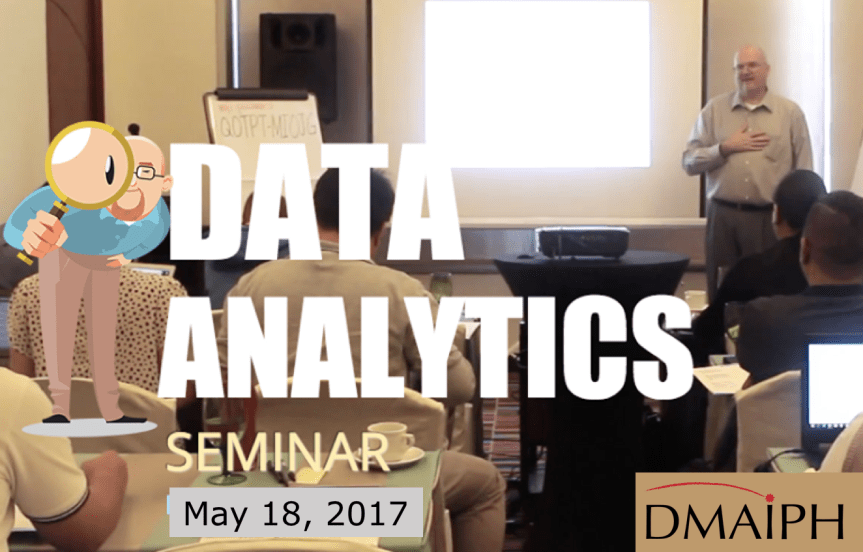
Data Analytics Training on Nov 22

Just sharing some details on an upcoming training I’ll be delivering.

This innovative and one of a kind workshop will provide you with easy to
implement strategies to increase your effectiveness in decision- making.

Objectives
– We will start with a basic overview of analytics, current trends in
the field and how analytics is being used here in the Philippines.
– Through a couple of hands on exercises, we will practice finding data,
analyzing it and reporting our findings.
– We will go in depth understand several key components of analytics
including business intelligence, competitive landscaping, data
visualization and business dashboards.
– We conclude the day by taking an assessment of each of our own
business and starting to develop strategies to enhance the analytics
culture in our business.
– Learn more about Big Data and Data Warehousing

Key Topics:
– What is Data Analytics?
– Overview of Data Analytcs in the Philippines
– Self- Assessment of your own analytics
– Finding Data (Mining and Presenting the Data)
– Big Data and Data Warehousing
– Discussion about Descriptive, Predictive and Prescriptive Analytics
– Business Intelligence and Business Dashboards
– Using Data Analytics to Drive Decisions
– Enchant your audience

Group Exercises will focus on mining data from public data sources, working on a marketing strategy based on business analytics and building a business dashboard prototype.

In today’s global marketplace, businesses are challenged with endless streams of data of immense volume, variety and velocity coming from around the world. Having people on your team who can use the data in your business to drive more data based decisions in no longer an added value. It is a fundamental cornerstone of success.
522

SEMINAR FEE

PHP 6,000/regular participant inclusive of VAT, training materials
(workbook), am/pm snacks, lunch and certificate of completion

*Group DISCOUNT (Minimum of 5):*

PHP 4,800/ participant inclusive of VAT, training materials (workbook),
am/pm snacks, lunch and certificate of completion.

To register, please call 09177992827 or send an email to info@sonicanalytics.com

Analytics Training – DMAIPH and our partners at Sonic Analytics offer a wide range of analytics centric training solutions for professionals and students via public, in-house, on-site, and academic settings. We tailor each training event to meet the unique needs of the audience. If you need empowerment and skills enhancement to optimize the use of analytics in your organization, we are here to help. Contact DMAIPH now at analytics@dmaiph.com or connect with me directly to set up a free consultation on which of our DMAIPH analytics training solutions is best for you.
Q7: What exactly is data science and why the rapid rise of data scientists?

A year ago I might have found it challenging to really answer this question. The first time I had heard of the term data science and a data scientist wasn’t that long ago. And I have been doing some pretty advanced analytics for close to 20 years now.  I know the term has been around in academic and research circles awhile longer, but 2014 is the first time I ever saw a job posting for data scientist in big business.

So what is data science? Besides simply being the study of data, it generally refers to using complex models, machine learning, predictive and prescriptive analytics and powerful technology to analyze business data in much greater volume, velocity and variety then possible a few years ago.

And of course the ones charged with doing the data science are data scientists. They understand math, statistics, and theories that can be applied to business data using new technologies and methodologies.

The biggest challenge to being a true data scientist is that you have to be adapt at both technology and working with people. Being a business data expert, knowing how to code and doing higher math are only half the job. You have to also share your data, communicate it in ways that drive action, share and engage with non-data centric people. It’s hard to find people who are good at both.

ByugG_cIEAAL6wM

Image from Forbes Magazine. 

In addition, whole some data scientists are educated to be data scientists, very, very few actually have any kind of degree in data science. That kind of degree really didn’t exist until very recently. Instead most data scientists have advanced degrees is related subjects and have migrated into the business world do to market demand.

That demand has been growing at a staggering rate the past few years as every day we generate more and more data across the planet. President Obama first employed a data scientist for his campaign in 2012. The White House now has a chief data scientist position.

If you were to compare results from job board searches form 2012, you’d see maybe 100 data scientist job postings. Now its easily in the 1000’s.  So that’s why the job market for data scientist is one of the hottest around.  Lack of training programs, having both tech and people skills, and the booming demand due to unending new data to being analyzed.

Some people ask me if I’m a data scientist I am careful with my answer. True data science is not something I am academically prepared for nor I have never published anything in a scholarly journal. But my real world experience working with data has made me an expert on many aspects of data science.

I guess I feel more like an analyst, but a freakin awesome analyst who can do a lot of things using data that are super important to a business.

img_8168

Analytics Education – Facilitating a mastery of the fundamentals of analytics is what DMAIPH does best. As a key parnter of the Data Science Philippines Meetup Group, DMAIPH champions the use of using data. All across the world, companies are scrambling to hire analytics talent to optimize the big data they have in their businesses.

We can empower students and their instructors with the knowledge they need to prepare for careers in analytics. Contact DMAIPH now at analytics@dmaiph.com or connect with me directly so we can set a guest lecturer date, On-the-Job Training experience or other analytics education solution specifically tailored to your needs.

Q6: Can you provide some tips on how to manage data?

So you have the data lake, the messy version of the lake or data swamp and then the pristine, well managed version of the data lake called the data reservoir.

08-data-reservoir-walter-with-hard-hat

Imagine how a reservoir of fresh water is used for multiple purposes… fishing, drinking, watering crops, providing electricity. That’s how your data should be structured. Even if you are working with multiple data sources made up of a lot of unstructured data from social media, you need to be organized with your data.

I’m willing to bet that if you are reading this then you are by nature pretty organized. Analysts tend to be. If you are working in an data swamp and the company culture is not data-driven, the best advice I can give you, no joke, is to find another job.

What to look for in a data-driven company? Are the data warehouses easy to use? Is their documentation on the data architecture? Is there a knowledge base? Are there experts and are they open to helping you?

If you say yes to questions like that, then your data management tasks are generally about optimization, data blending, adding new sources and being a kick ass analyst.

If you say no to questions like that, then your data management tasks are generally about cleaning data, lots of data validation and having your analysis be filled with caveats that you might be missing something.

So a few tips I have for those in good data companies; get your documentation fresh, do a lot of bread crumb dropping, save your queries and models.

Keep the data architects,database admins and/or IT staff in your circle. Share with them how powerful your analysis is because of their help. And most importantly, show you masterly of the data lake.  Tell your story. And teach others how to fish in it.

For those of you not so blessed with good data cultures. You have to start on both ends. Map out the data flow. Try and assess where the data goes bad. Is it the input or capture of the data, is it a loading process, is it filers? Once you get a start on the front end, then go to the back end.

Who needs the data? How much of what data is being provided now is actually usable? Eliminate any unnecessary data. Basically start cleaning up the swamp at the same time you map it. And again tell this story. Don’t make excuses, but you do need to educate. Let people know there is a problem with the data and outline what you will do to correct for it.

In either case, before you go out and request or purchase new tools or start adding new data… make sure you have the architecture figured out. That’s the best tip I can give you about managing data.

jobspicture2

The Fundamental of Business Analytics – Business Analytics is the application of talent, technology and technique on business data for the purpose of extracting insights and discovering opportunities. DMAIPH specializes in empowering organizations, schools, and businesses with a mastery of the fundamentals of business analytics. Contact DMAIPH now at analytics@dmaiph.com or connect with me directly to find out how you can strengthen your business analytics fundamentals.

Q5: What are some basic strategies an analyst can use to find the right data at the right time? – Part 1

Several years ago I came across a book called the Accidental Analyst. After reading the book I was inspired to come up with a way to teach analytics to college students and fresh graduates.

The core of both the book and my program hinges on the ability of an analyst to find the right data at the right time.  The authors suggested that identifying your data is where it all starts. Identifying exactly what you need to address whatever it is that you need to report.

When I am training newbies, I generally brake finding data into two parts… the process of getting the data and the process of making sure the data is valid.

Back at Wells Fargo, the single greatest attribute that I had that made me successful was my ability to size up how long it would take me to deliver something. Knowing what data I would need, where I would find it and how long it would take me to analyze it to come up with something useful made me somewhat of a wizard in the minds of the team.

Finding the right data at the right time requires one to first off know their data. You have to know how the data is captured, where it is stored and how it makes it way to you. Knowing the data architecture in your business is the key.

So you have to get to know the people who know where you data comes from and how it gets there. Learn from them. Partner with them. Buy them doughnuts.

A few months ago I came across an analogy being used to describe data in a business. That of a data lake. A data lake is the living, breathing, evolving pool of all the data in a business. If you have a good data architecture, and you can navigate it fairly easily, then you have a data lake.  Ideally, your business has data structured in such a way you can live off it. Data to a business is like water to living things… it sustains life

07_data-lake-walter-fishing

So once you have the lake mapped out, then you have to learn how to fish it. Knowing where the fish are biting is another key. Once you know what data you need, you have to know how to get to it quickly.

Business Intelligence tools help us here. As does coding languages to extract data from a database. These are your fishing tools. You have to practice using them to be good at getting the right data at the right time.

Another way to optimize your data search is to save your work. Of as I call it leave yourself breadcrumbs. Save the query. Cut and paste the code into a document and save it. Write down the steps. Whatever you need to do to replicate what you just did so you can do it again in the future without starting over from scratch.

So to recap, how to you find the right data at the right time? You know its structure, you understand how its stored and you leave yourself clues to do things faster next time.

Now the other part of the equation is knowing if the data you are using is the right data. Finding data quickly doesn’t do you any good if you bring back the wrong data. We’ll talk about data validation and data quality in a future post.

The Fundamental of Business Analytics – Business Analytics is the application of talent, technology and technique on business data for the purpose of extracting insights and discovering opportunities. DMAIPH specializes in empowering organizations, schools, and businesses with a mastery of the fundamentals of business analytics. Contact DMAIPH now at analytics@dmaiph.com or connect with me directly to find out how you can strengthen your business analytics fundamentals.

Q2: Can you tell us what makes you an Analytics Champion?

Well, the first thing you should know about analytics is that there is no one right way to do things. Analytics is in many ways a new profession and up until very recently few people have seen being an analyst as career path. In fact the majority of analysts became so by accident.

Like in my case, most analyst are drawn to analytics because they like to solve problems, have an affinity for working with data, are tech savvy and above all else… insatiably curious. By the time I first had analyst in my title, I had already been doing analytics for several years.

Right out of college I found my novice skills with Excel, my interest in sharing knowledge and my ability to solve problems leading labeling me the data guy. There is nothing specific in my background that would suggest I’d become an analytics guru someday.

Majored in History with a plan to be a teacher. Obtained my Master’s Degree in Education. Started to teach. The school I was working at went bankrupt. Took a job with Wells Fargo Bank just to pay the bills and 15 years later I had amassed a wide range of analytics skills.

If you ask anyone with analyst in their job title, most of them have similar stories. Until recently you could not even get a degree in analytics as schools are just now offering analytics focused courses and degrees.

In 1998, I had the good fortune of being hired by Wells Fargo. The factors that contributed most to my success with the bank were two things inherit in the culture; its progressive use of data in decision-making and its accepted practice of moving up the corporate ladder by moving between departments.

If I had to pick one thing above all others that had made me a good analyst, it is my ability to quickly assess a problem and then identify the data needed to solve the problem.  For my money, finding the right data is the most important trait to have and also the hardest to teach. It comes out of being curious and letting that curiosity drive you to find answers.

For 15 years that drive lead me to add new skills, learn new technologies, and develop new methods to become a proverbial jack of all trades when it comes to analytics. I often describe myself as a super hero, analytics being my super power and the wide range of skills I’ve picked up being items on my utility belt.

10440851_554583471353767_2228398462482113391_n

I am far from an expert on most of the ever increasing number of analytics tools out there, but I know what they can do and what they are good at. There are definitely a lot of people who are better at different aspects of analytics and no one can know it all. But in the end, I have become in many ways a guru of analytics.

I love talking about analytics, explaining it in layman’s terms, empowering people new to the concept, turning on the light in a dark room. I also love talking about prescriptive analytics models, using SQL code to write a complex join between data tables or figuring out what tool would be best use to build a business dashboard.

Providing people with the fundamentals of analytics is what I have been destined to do.

The Fundamental of Business Analytics – Business Analytics is the application of talent, technology and technique on business data for the purpose of extracting insights and discovering opportunities. DMAIPH specializes in empowering organizations, schools, and businesses with a mastery of the fundamentals of business analytics. Contact DMAIPH now at analytics@dmaiph.com or connect with me directly to find out how you can strengthen your business analytics fundamentals.

Big Data Analyst > The Guy Making Sure We Have The Data We Need

If you don’t know where that information is coming from and whether you can trust it, then it’s useless.

Imagine your data as water.

The same idea applies to big data analytics. If you don’t know where the data is coming from, your data lake will quickly start to resemble a swamp instead of what it should resemble: a reservoir, something that guarantees access, quality, and provenance.

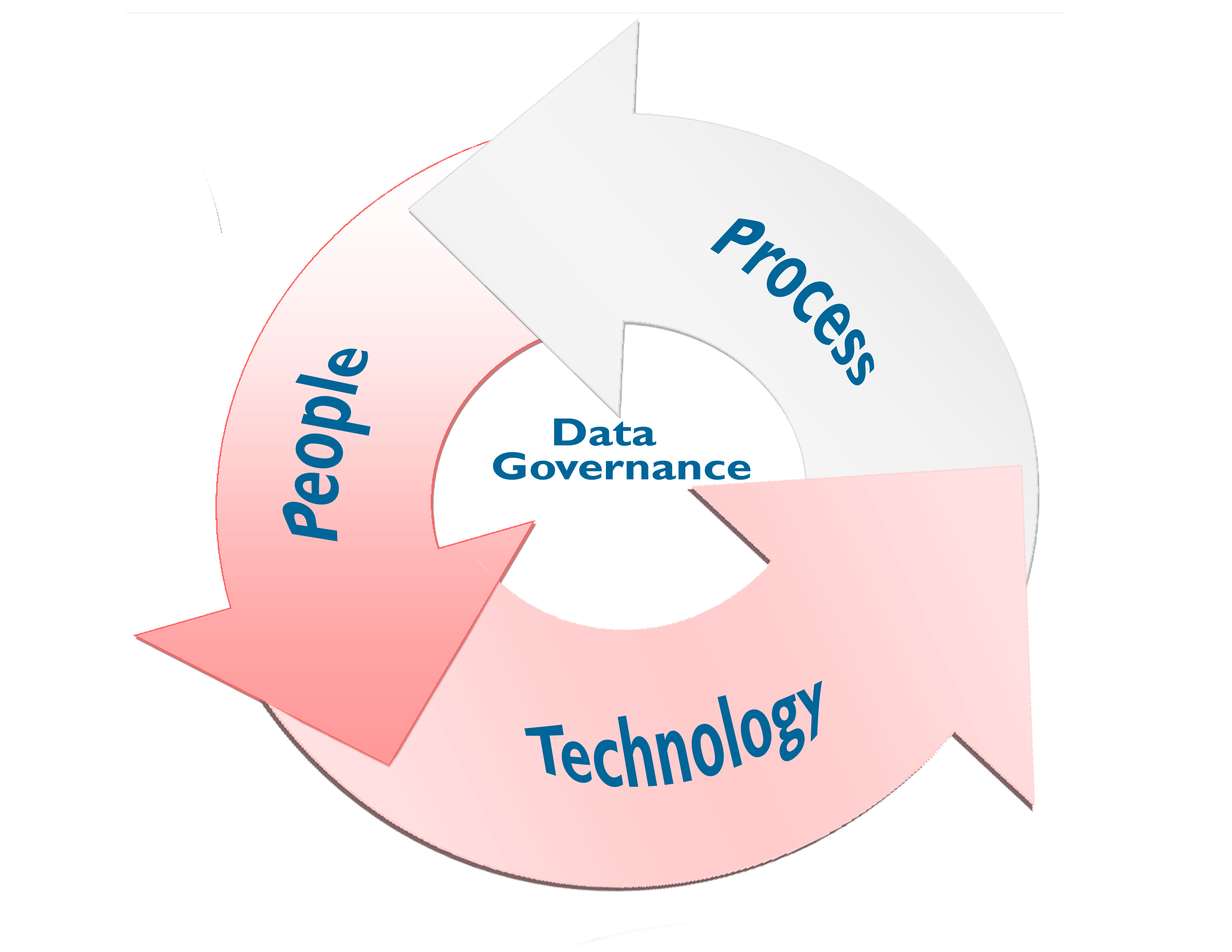
DMAI_DataGovernance

The role of the DMAI big data analyst is at the guy managing the dam at the mouth of a big river. Data analysts constitute the foundation of a data science project and they are trusted with the responsibility of capturing, storing and processing the relevant data. Data Collection, Data Warehousing, Data Transformation and Data Analysis – these are typical tasks of a data analyst.

They are the professionals who play with the tools and frameworks, like Hadoop or HBase, in a distributed environment to ensure that all the raw data points are captured and processed correctly. The processed data is then handed over to the next group of people, the machine learning experts, for taking it further.

In order to call your data a true “reservoir” or “lake,” you big data analyst needs to be able to provide the business-level guarantees that one comes to expect from a data warehouse.

If you are able to create this type of environment the you should have no problem using data analytics in your business, then you are the ideal Big Data Analyst candidate. You are a pro with apps Hadoop, MapReduce or HBase and have the analytical skills required to become a successful data analyst.

A data analyst should be flexible to learn new tools according to the changing business needs and always be willing to upgrade to specialized techniques related to data analysis. Just like the guy controlling the flow of water from a lake to the community that lives off it.

Once we have the guy who makes sure we have the data we need, when we need it, then the DMAI Data Science Team will be complete.

Tomorrow I Will Be Facilitating A Data Analytics Workshop > I Love Data!!!

I love data!

And with that love of seeing the numbers behind things and the stories the data tells, I get to do what I do best… train people to use the data in their business to drive better decision-making.

Topics covered in the training include:

  • What is Data Analytics?
  • Overview of Data Analytics in the Philippines
  • Self-Assessment of our own Data Analytics
  • Finding, Mining and Presenting Data
  • Big Data and Data Warehousing
  • Descriptive, Predictive, and Prescriptive Analytics
  • Business Intelligence and Business Dashboards
  • Using Data Analytics to Drive Decisions

ANALYTICS CAN

The first three parts of the training set the foundation we currently see in most organizations concerned with data analytics. Knowing who are analysts and learning more about the world wide talent gap helps get us in the mind set that we have to do more with less.

The next section is all about using methodologies to be more efficient and optimal in finding, mining and presenting data. This is targeted to building better reports that do more then just report, but actually influence decision-making.

The next two sections are the heart of the class… talking about Big Data and the 3 types of analyitics. This is an area most people coming to the training really gain a lot of useful insight from.

Sections 7 and 8 are all about adding value to take a good analyst and empower them to be a great analyst.

I’m expecting 12-15 people which is the idea size for a group discussion with a lot of give and take about how data analytics is being used and what can be done to raise the bar.

Nerd alert. I love this stuff!!!

In Demand > DMAI Data Analytics Trainings

Next week I will be conducting a training on data analytics.

Data analytics is generally considered to be the examining raw data with the purpose of drawing conclusions about that information. Data analytics is used in many industries to allow companies and organization to make better business decisions.

Topics covered in the training include:

  • What is Data Analytics?
  • The current state of Data Analytics in the Philippines
  • Self-Assessment of our own Data Analytics
  • Finding the Right Data at the Right Time
  • Big Data and Data Warehousing
  • Descriptive, Predictive, and Prescriptive Analytics
  • Business Intelligence and Data Visualization
  • Using Data Analytics to Drive Decisions

What’s extra cool about this training is that is already full. We are going to add a second batch in August.

The need for having good data analytics in a business continues to grow at a pace much faster than the supply of talent can keep up with.

9.0.2a

Besides the topics above, participants will also learn:

  1. How to do public data mining
  2. How to provide data for business intelligence
  3. How to build better reports in Excel
  4. How to manage data in business dashboard

So if you are interested in getting a better handle on the data in your business and how to build a good data analytics solution, DMAI can help.

PATIENCE AND FAITH ARE OUR BEST FRIENDS

I wish i could remember where i found this, but it definitely speaks to me so I wanted to share it again.

“No one can determine the final destination of our life’s journey. Therefore, the next best thing to do is to keep our cool and have faith in ourselves. Whenever I feel I am detouring from my destiny, I try to remind myself that my journey is my path. It’s a journey full of peaks and valleys, sunshine, and rain. This faith allows me to explore unchartered territory with confidence. I am at ease to fail forward. Because even when we fail, we do not lose it all—we can learn valuable lessons, and build the foundation for our next chapter.”

Keeping a can-do attitude helps us to never give up on ourselves. It allows us to recharge, reinvest, and reinvent ourselves by melting down our fear.

And that’s how I will start 2017!

jobspicture2Analytics Leadership – DMAIPH specializes in arming the Data-Driven Leader with the tools and techniques they need to build and empower an analytics centric organization. Analytics leadership requires a mastery of not just analytics skill, but also of nurturing an analytics culture. We have guided thousands of Filipino professionals to become better analytics leaders. Contact DMAIPH now at analytics@dmaiph.com or connect with me directly to discuss a uniquely tailored strategy to ensure you are the top of your game when it comes to Analytics Leadership.


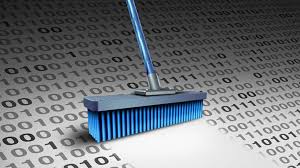
Analytics Tip > Keep Your Data Clean

http://bicorner.com/2015/03/22/5-nuggets-from-the-big-data-driven-business/

Came across this interesting post on LinkedIn…

Database quality now has an unprecedented impact on the success of Big Data initiatives. To ensure that these databases are as productive as possible, Marketers must maintain good data hygiene.

Five steps for cleaner data:

1) Make sure your data entry team is keying in data accurately in the first place.  Make the data entry team a priority.

2) Incentivize your sales team, call-center squad and other customer facing employees to regularly request updated contact information and other data from the customers they encounter.

3) Use available software, such as Trillium, to streamline the process of cleansing, correcting and updating email and postal addresses.

4) Allow customers access to their records so they can help keep them accurate.  Consider offering discounts as an incentive for customers to participate.

5) Regularly contact customers, either via phone or email, to update records.  This approach is critical with the most important accounts.

Having clean data is very, very important.

img_7731

I have my admin team refresh my connection data on LinkedIn on a regular basis so our mailings lists stay up to date.

We also have audits of our client pipeline to make sure all relevant applicant data is captured for analysis.

Make sure you put some thought into how to keep your data clean!

Analytics is the application of using data and analysis to discover patterns in data. DMAIPH specializes in empowering and enabling leaders, managers, professionals and students with a mastery of analytics fundamentals.

DMAIPH is also a founding member of the Analytics Council of the Philippines and specializes in arming the Data-Driven Leader with the tools and techniques they need to build and empower an analytics centric organization. Analytics leadership requires a mastery of not just analytics skill, but also of nurturing an analytics culture. We have guided thousands of Filipino professionals to become better analytics leaders. Contact DMAIPH now at analytics@dmaiph.com or connect with me directly to discuss a uniquely tailored strategy to ensure you are the top of your game when it comes to Analytics Leadership.