Infusing HR Analytics into Organizational Behavior and Human Resource Management Classes

One of the things I have been working on is helping a top school here in the Philippines develop a strategy to infuse more HR Analytics into their Organizational Behavior and Human Resource Management Classes.

This effort is a precursor to a class specifically on HR Analytics, which is to the best of my knowledge, the first ever here in the Philippines.

So as I put more thought into the syllabus of each class, it occurred to me that a good way to approach analytics is to introduce it slowly over the length of the 3 classes, which follow in a natural progression.

Starting with the OB class, we can focus on how to identify data in an organization that will be useful to a HR team to measure things over time. To help really get at causality of human behavior on a wide scale, you need to have the data to understand context.

In the HR Management class, we will spend more time working on the inventory part of analytics, which is to bring the data into an analysis and reporting structure that helps us discover patterns and trends based on that data.

Then the HR Analytics class, we will then proceed on how to integrate the data and the analysis into tool like a business dashboard.

At a high level, the students will gain an appreciation for the wealth of data HR can access in an organization and how the analysis and reporting of this data can lead to more data-driven decision making.

Its great to have an understanding of why people leave a job, and to have good reporting on attrition patterns, but you also need to have the ability to enable strategic action based on data and not just observation or simple metrics.

That is what our students will be able to do that will separate them from other Psychology grads entering the workforce. They will be ready day one to be HR Analysts who can bring a much needed data centric skills set to a very people driven discipline.

If you are a school administrator or professor and need to get more analytics in your course work so your students are better prepared for the analytics centric jobs, connect with me. I can show you how. I even have a textbook you can use. My new book Putting Your Data to Work is ideal for the nascent analytics learner.

9b9b0d_9e1b0bda82a944ed9d8845fb26bc2b7b-png_256


Analytics Education – Facilitating a mastery of the fundamentals of analytics is what DMAIPH does best.

All across the world, companies are scrambling to hire analytics talent to optimize the big data they have in their businesses. We can empower students and their instructors with the knowledge they need to prepare for careers in analytics.

Contact DMAIPH now at analytics@dmaiph.com or connect with me directly so we can set a guest lecturer date, On-the-Job Training experience or other analytics education solution specifically tailored to your needs.


Dan… Stick To The Plan

Having one of those days we all have once in awhile… where you invested so much time and energy into a plan, but you feel a need to change the plan.

For some it is comes with not playing well by rules. The more rules the less freedom and the less sense of  having control.

For others it may be the plan not longer fits where their life has evolved.

And then there are some who just like changing things. Mixing them up so they don’t stagnate and get bored.

Me, I’m all three.

I often hear the term serial entrepreneur… people who start things up and when the business reaches a certain point of maturity, they move on.

Never thought that one fit me too well. Im not really the cut bait and move on, I just like adding new things to what I am already doing.

I also think a lot about my super high expectations… since it is so hard to keep up with me, just about everyone tires and slows down eventually. Its impossible to expect the average person to stick to my plan, which makes it hard for me to stick to it.

workhard

However, at this point I have built something special. The company still needs a lot of work. The business plan needs to evolve faster than it has. We need to patch some holes in the boat. But overall, DMAIPH is in a pretty good spot.

So this is one of those “Stick To The Plan, Dan” days.

Look at the data, fight off the wanderlust (at least for now) and carry on.

Change is coming soon, I crave that change and Hope is just around the corner… but not today.

Work on payroll, add something to the book, blog…

Business Strategy with Analytics – Aligning a business strategy to drive an organization forward requires a robust analytics solution. Businesses who have good analytics tend to be much more profitable and efficient then ones that do not. DMAIPH has helped dozens of companies in both the U.S. and the Philippines with adding more data analysis in their business strategy. Contact DMAIPH now at analytics@dmaiph.com or connect with me directly to find out what we can do to help you align your business strategy with analytics.

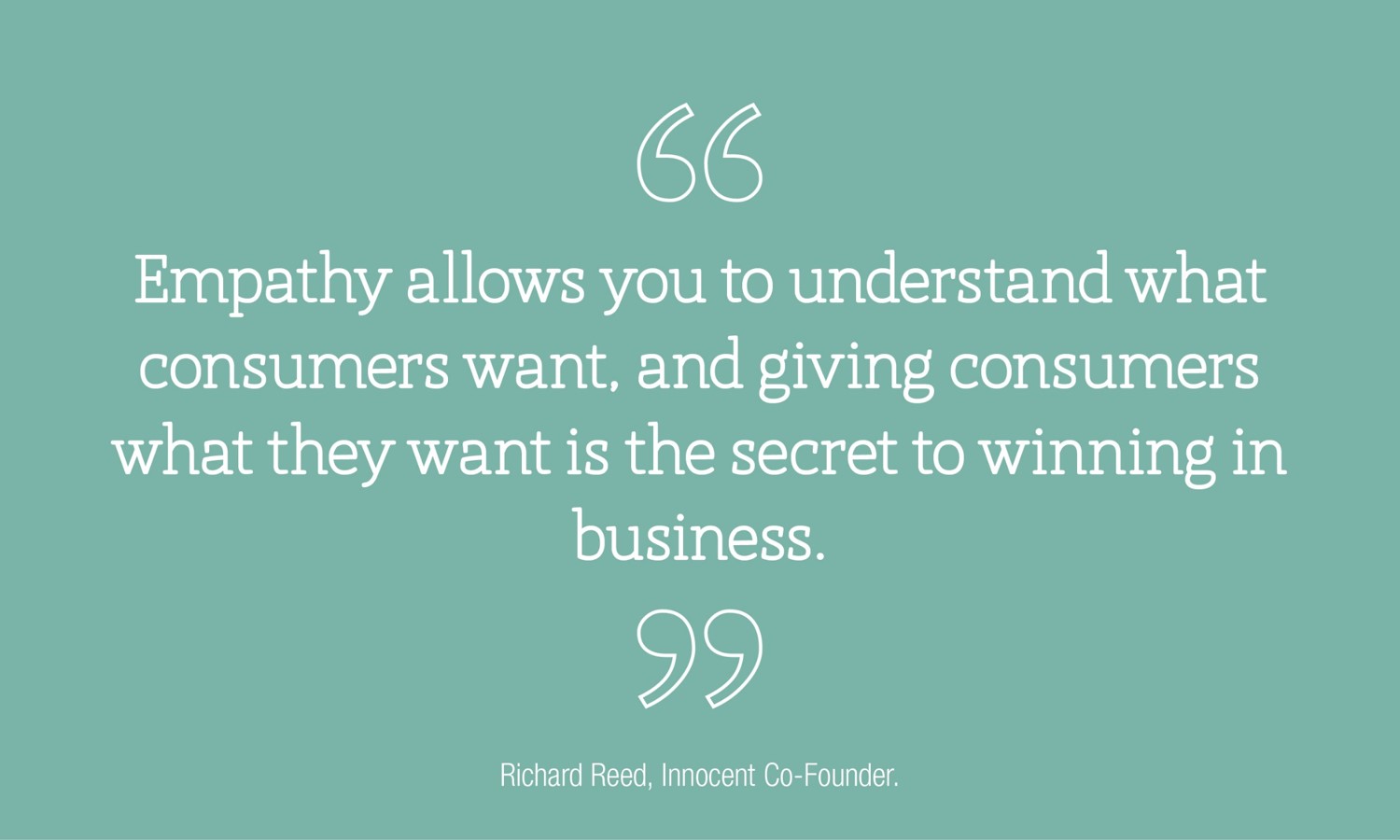
em·pa·thy > the ability to understand and share the feelings of another

From Our Recent Customer Care Empathy Training for the DMAIPH team

em·pa·thy > the ability to understand and share the feelings of another.

Per Webster’s… Empathy is

…the action of understanding, being aware of, being sensitive to, and vicariously experiencing the feelings, thoughts, and experience of another of either the past or present without having the feelings, thoughts, and experience fully communicated in an objectively explicit manner.

Per Wikpedia…

Empathy is the capacity to understand what another person is experiencing from within the other person’s frame of reference, i.e., the capacity to place oneself in another’s shoes.

So any way you slice it, empathy is about feeling the pain of another in a way that helps ease some of that pain.

Empathy training is sorely lacking across the call center industry as this kind of soft skills training is taught like a technical skill. You can’t just lecture of empathy. You have to role play and write open ended scripts and practice it until its second nature.

If DMAI is to succeed, we need to have better the average empathy training. If we want to be a great company then we need to have best in class empathy training to make sure we are there for our customers.

Picture1

Analytics Leadership – DMAIPH specializes in arming the Data-Driven Leader with the tools and techniques they need to build and empower an analytics centric organization. Analytics leadership requires a mastery of not just analytics skill, but also of nurturing an analytics culture. We have guided thousands of Filipino professionals to become better analytics leaders. Contact DMAIPH now at analytics@dmaiph.com or connect with me directly to discuss a uniquely tailored strategy to ensure you are the top of your game when it comes to Analytics Leadership.

Leading vs. Managing vs. Bossing

The definition of Leading is exercising leadership by providing direction or guidance.

The definition of Managing is to direct or supervise employees or other staff by exerting control.

The definition of Bossing is to give orders to, especially in an arrogant or domineering manner.

Leaders generally try and empower, educate and uplift people working under them in an organization. At times they many need to manage employees who have gone off track, but generally only use this to optimize short term results. Although sometimes managing and bossing can feel the same to the employee, good leaders never have to result to bossing.

Managers generally try to motivate employees to meet business needs. At times the pressure for results will force managers to exert control over their employees to get results. This can generally fee like bossing. Employees that feel like they are constant being directed to do things that are unclear to them how and/or why they are doing it never feel like they are being lead.

People who are in positions of authority who are always bossing are not well liked by their employees. Employees do not feel valued or appreciated when they are constantly being bossed. Bosses use fear and intimidation to drive results, which generally fall short of business goals.

The ironic thing about these definitions is Bosses don’t generally realize they are Bosses. They think they are good managers and even good leaders. Managers generally know they are not Bosses, which is good, but they generally are not in a situation where they can be good leaders.

On the other hand, Good Leaders are always cautious of trying not to fall into the traps of managing people or being the boss.  They constantly appreciate feedback to help themselves improve and see their own style of running a business as always evolving.

For a business to be successful you need leaders who can occasionally manage and once in a while be a boss, but most of their time is spent trying take the business to a higher level. That’s my dream for DMAIPH.

10322847_10202261942091034_7017264038085105214_n

Analytics Leadership – DMAIPH is a founding member of the Analytics Council of the Philippines and specializes in arming the Data-Driven Leader with the tools and techniques they need to build and empower an analytics centric organization.

Analytics leadership requires a mastery of not just analytics skill, but also of nurturing an analytics culture. We have guided thousands of Filipino professionals to become better analytics leaders. Contact DMAIPH now at analytics@dmaiph.com or connect with me directly to discuss a uniquely tailored strategy to ensure you are the top of your game when it comes to Analytics Leadership.

13 Months in the Philippines

Updated 12/10/16…

I wrote this 4.5 years ago. As my 5 year plan to become a name brand in analytics in the Philippines comes to a close, I thought it a good time to select on the lessons of my first year. So I will repost these lessons from what seems like a lifetime a goal to see what I have truly learned from my adventures. 

After having a month of vacation, I been able to do a lot of reflecting on my 13 Months in the Philippines. My plan is to share with you some of the life lessons I learned from the experience. I had an amazing time, getting to live my professional dream and impacting hundreds of people. I also learned as many important lessons in my personal life as well. And since its an analytics blog, I will also include some analytics insights as well.

Introduction
Lesson 1 – May 2012 – Finding the Right People
Lesson 2 – June 2012 – Training is My Passion
Lesson 3 – July 2012 – Growing the Business
Lesson 4 – August 2012 – Mother Nature Strikes
Lesson 5 – September 2012 – Cracks in the Pavement
Lesson 6 – October 2012 – You Cant Go Home Again
Lesson 7 – November 2012 – Flying Solo
Lesson 8 – December 2012 – Holidays in the Philippines
Lesson 9 – January 2013 – New Beginnings
Lesson 10 – February 2013 – The Future is Bright
Lesson 11 – March 2013 – Missed Opportunities
Lesson 12 – April 2013 – The Wheels Come Off
Lesson 13 – May 2012 – Exit Plans
Epilogue

At the bottom of each blog post you will see links to various analytics tools, concepts and YouTube videos to help add more color to my experiences.

Hope you like it enough to follow along!

My Analytics Story – My passion is solving problems by bringing together the best talent, cutting edge technology and tried and true methodologies. DMAIPH is all about empowering people towards better Decision-Making through the use Analytics and business Intelligence. This is what I do best. Contact DMAIPH now at analytics@dmaiph.com or connect with me directly for a free consultation about getting more analytics into your career and your business. 

The Current Analytics Talent Landscape in the Philippines – Updated

Updated on 10/26/16

Something I was working on for a potential client, that I thought interesting enough to share.

Here are some of the common characteristics of the three types of analytics talent you will find in the Philippines. Keep in mind that analytics is still a fairly very new concept in the Philippines, but I am convinced its primed for continued growth.

From my experience the analytics talent in the Philippines can be broken into three groups.

  1. Fresh Grads
  2. Entry Level Analysts
  3. Experienced Analysts

For the sake of comparison, I will speak mainly of analytics generalist positions like business analysts and operations analysts. More niche analytics jobs like financial analysts or quality analysts often come from different backgrounds then the bulk of the analytics talent I have worked with.

The first group of analysts are fresh grads. By and large they come from programs like IT, ComSci, Marketing, Business and other related courses. The ones with technical degrees all have some coding skills, know a few programming languages, are very comfortable with Excel and Access and have a general theoretical knowledge of databases, data warehouses and how big data is collected, stored and managed. Generally the business and marketing grads, have less technical skill, but are better prepared for the communication and data sharing side of analytics.

There are several thousand of these graduates entering the workforce every year, but a small % of them are really prepared for analyst careers. Several schools have launched Business Analytics elective tracts, but they are just getting started.

Most fresh grads with analytics talent find jobs in retail or in call centers, many as tech support or IT staff. The ones that do end up with the word analyst in the title are actually more like data encoders or just run reports.  They do very little actual analysis.

From this pool, the English and communications requirements of many analyst jobs screen out 75% of the applicants. Fresh grads who start in analyst roles make salaries of between 10-20,000 PHP a month.

The second group of analysts comes the way most people have become analysts… accidentally. They have very similar educational experiences to the fresh grad batch, but started as a CSR or IT or Tech Support and rose above their peers to take on more complex duties.

These analysts find ways to add value to their reports, or have a propensity to solve hard problems or have a tech skill that really stands out. They are promoted to entry level analyst jobs where they are generally used with business lines to do metrics and KPI reporting, assist with process improvement initiatives.

They start to become very skilled, but generally in only 1-2 applications. Their talent is very concentrated and they are not generally pushed to do more. Whether it be working with certain BI or analytics tools, CRMs or other applications, they become very proficient end users but rarely learn the concepts that allow them to move easily between companies. They generally make salaries of about 20-30,000 PHP a month.

However, that doesn’t stop them from hopping around quite a bit. The severe talent shortage for analysts in Metro Manila see a lot of analysts with 1-2 years under their belt get pirated and over a 5-6 year period you see they working for 3-4 companies, each time chasing more money. And rarely does this make them a better analysts as they have a lot of knowledge about a few things, but have not really mastered a competency in anything.

IMG_1310

The only training they receive is in-house training on new systems that is generally rolled out from abroad/above. This is one of the biggest difference between analysts in the US and India versus the Philippines. There is little investment in the analyst to grow. There is no encouragement to innovate they get bored pretty quickly which is why they are so susceptible to jump for a little more money.

Based on my observations, maybe 20% of this pool of thousands stick with the same company and rise up to be an experienced analyst in their original company. And you find the ones who stick are generally employed by US, Indian and European BPOs. They make about 25,000 and up PHP a month.

The final group, the more experience analysts are a rare breed. They have the skill similar to what you would expect from an Indian or US analysts with 5 years of experience. They have mastered a couple of disciplines (apps, systems, dbases, etc) and have carved out a good niche. They get paid at least 30-40,000 PHP a month and are firmly established with their employers.

They don’t hop for more money and they tend to be pretty loyal. The best way to pry them away is to offer them something new and different to play with. When you appeal to their curiosity, then they will consider hoping for more money. This is the play the HP, IBM, Google, Citibank, and others who have set up analytics teams are doing. They are trying to entice top talent with both money and new opportunity.

There is also a small, but growing number people in the Philippines who are at the level I was when I left Wells Fargo. Analytics Experts who can offer you a wide range of analytics solutions, understand how complex analytics works and are truly on the cutting edge. A lot of these analysts are now being classified as data scientists. The salaries for these positions can be 50,000 PHP or more a month.

Traditionally data scientist have advanced degrees in statistics, math or some other heavily technical field of study. They generally focus on building models and mining big data using advanced software. They have mastered several coding languages and use predictive and prescriptive modeling techniques. If I had to put a guess on this, there might be a couple thousand true data scientists in the Philippines right now. Hardly enough to go around.

In reality, many of the job postings across the Philippines for data scientists are actually looking for something different. The term is the current hot buzz word and many traditional analyst jobs are being mislabeled as data science jobs. It is very important when hiring someone who has data science in their background to make sure they really have the level of expertise you need.

Bottom line though, if you are looking for someone who is curious, adept at technology, loves solving problems and is data hungry, you can find them in the Philippines.

These thoughts are solely based on my observations and research; I would love to hear others either validate or counter any/all of my conclusions.

If you would like to know about the current state of analytics in the Philippines, please check out my new book, Putting Your Data to Work. The book serves as a guidebook for Filipino professionals to better understand how to get more data in their business. Connect with me and I’ll let you know how to get a copy.

Analytics in the Philippines – The Philippines is at the center of the action when it comes to solutions to the global need for analytics. Blessed with a solid foundation of young, educated and English speaking workforce, companies around the world are look for Filipino analytics talent to fill analytics positions. DMAIPH was set up to facilitate these solutions and bring the talent and the business together. Contact DMAIPH now at analytics@dmaiph.com or connect with me directly so we can help you take advantage of this unique global opportunity.