
Building An Employee Engagement Road Map

My good friend and BPO colleague, Martin Conboy’s most recent blog is pretty awesome and well timed for my leadership meeting on Monday.

http://theoutsourcing-guide.com/strong-employee-engagement-exceptional-customer-experience/

Here are a few of his key points:

“Employee engagement is a workplace methodology designed to ensure that employees are committed to their organization’s goals and values, inspired to contribute to organizational success, and are able at the same time to enhance their own sense of well being.”

When I think about all the places I have worked over the years from scooping ice cream, filing library books, teaching, customer service, business analytics to setting up call centers, I often reflect on the cultural lessons I gained from those experiences.

As Martin says, engagement is a direct result of the methods  used to drive a business… its how people are bossed, managed and/or lead. That impacts how people feel about and treat each other. Most people generally look at their job as just a job, but they look at their co workers as friends or even family.

When companies are able to get people to think of their job with the same level of interest they think of their co-workers, then you have an indicator of engaged employees, That is far from the only one, but its an easy to see indicator.  They go to lunch together, but do they work together to solve problems for the customer?

“Creating exceptional customer experiences and engagement requires understanding and mapping the customer’s journey. Likewise employee engagement is dependent on creating exceptional experiences based on understanding and mapping the employee’s journey.”

Mapping the journey… from pre-hire, to job offer, to onboardinng, to training, to production, to coaching, to mentoring, to career development. Is it all mapped out? If not its hard to have good employee engagement. Are there leaders within the organization that help others read the map? If not then most employees are going to get lost. The journey will not likely be a success without the map and people who know how to both read the map and teach others how to read it.

Thanks Martin for the inspiration.

HR & Recruitment Analytics – The recruitment and retention of top talent is the biggest challenge facing just about every organization. DMAIPH is a leading expert in empowering HR & Recruitment teams with analytics techniques to optimize their talent acquisition and management processes. Contact DMAIPH now at analytics@dmaiph.com or connect with me directly to learn how to get more analytics in your HR & Recruitment process so you can rise to the top in the ever quickening demand for top talent.

Excellent Leaders Are Constantly Pursuing Excellence

https://www.linkedin.com/pulse/nature-authentic-leadership-ben-stewart

Here is an excellent conclusion to a blog post about the nature of authentic leadership…

‘Effective leadership can be an elusive goal with no clear path to direct success.  There are, however, many techniques and practices that are consistently utilized to reach this goal.  It begins with personal responsibility and leadership of oneself.  Before anyone has a chance at leading others,  he or she must take ownership of their thoughts, actions, and beliefs.

Possessing a keen insight into human behavior and thought is also critical.  This includes motivating, retaining, and resolving conflicts among the team.  It is unfortunate today that so many leaders become consumed with the ends that they forget the means.  While the bottom line is most often analyzed and how a leader is judged by superiors, it is the responsibility of the leader to ensure that the team respects its members and is passionate for pursuing excellence.  Neglecting this will bring discouragement and cause a serious threat to whatever goal is being pursued.

Leaders must always incorporate the human aspect into their decisions.  In its essence, leadership is about influence.  For a leader to maximize and improve whatever situation they encounter, requires going beyond spreadsheets and routines.  Taking a genuine interest for the team will include a common respect and appreciation for every individual.  Although this is a cumbersome and lengthy process, leadership will prove abundantly more effective.”

IMG_1849

The need for personal responsibility is most important when times are tough. If you are under pressure, its hard to lead others if your are not comfortable leading yourself.

Knowing how people think, and why they do what they do is a key point of success. Leaders who often try to spend time in their subordinates shoes are much more successful.

Pursing excellence needs to be a top motivator for any leader in DMAIPH. To be effective when it comes to working with me you need to understand the power of your influence and comprehend how it is perceived… so that you can get everyone else to follow along on that pursuit to excellence.

Analytics Leadership – DMAIPH specializes in arming the Data-Driven Leader with the tools and techniques they need to build and empower an analytics centric organization. Analytics leadership requires a mastery of not just analytics skill, but also of nurturing an analytics culture. We have guided thousands of Filipino professionals to become better analytics leaders.

Contact DMAIPH now at analytics@dmaiph.com or connect with me directly to discuss a uniquely tailored strategy to ensure you are the top of your game when it comes to Analytics Leadership.

Leading vs. Managing vs. Bossing

The definition of Leading is exercising leadership by providing direction or guidance.

The definition of Managing is to direct or supervise employees or other staff by exerting control.

The definition of Bossing is to give orders to, especially in an arrogant or domineering manner.

Leaders generally try and empower, educate and uplift people working under them in an organization. At times they many need to manage employees who have gone off track, but generally only use this to optimize short term results. Although sometimes managing and bossing can feel the same to the employee, good leaders never have to result to bossing.

Managers generally try to motivate employees to meet business needs. At times the pressure for results will force managers to exert control over their employees to get results. This can generally fee like bossing. Employees that feel like they are constant being directed to do things that are unclear to them how and/or why they are doing it never feel like they are being lead.

People who are in positions of authority who are always bossing are not well liked by their employees. Employees do not feel valued or appreciated when they are constantly being bossed. Bosses use fear and intimidation to drive results, which generally fall short of business goals.

The ironic thing about these definitions is Bosses don’t generally realize they are Bosses. They think they are good managers and even good leaders. Managers generally know they are not Bosses, which is good, but they generally are not in a situation where they can be good leaders.

On the other hand, Good Leaders are always cautious of trying not to fall into the traps of managing people or being the boss.  They constantly appreciate feedback to help themselves improve and see their own style of running a business as always evolving.

For a business to be successful you need leaders who can occasionally manage and once in a while be a boss, but most of their time is spent trying take the business to a higher level. That’s my dream for DMAIPH.

10322847_10202261942091034_7017264038085105214_n

Analytics Leadership – DMAIPH is a founding member of the Analytics Council of the Philippines and specializes in arming the Data-Driven Leader with the tools and techniques they need to build and empower an analytics centric organization.

Analytics leadership requires a mastery of not just analytics skill, but also of nurturing an analytics culture. We have guided thousands of Filipino professionals to become better analytics leaders. Contact DMAIPH now at analytics@dmaiph.com or connect with me directly to discuss a uniquely tailored strategy to ensure you are the top of your game when it comes to Analytics Leadership.

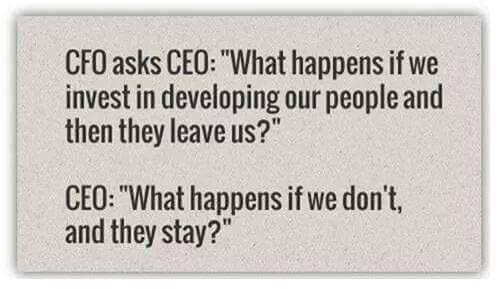
Upping Our Game When It Comes To Retention!

I have been putting a lot of thought into DMAI’s team member retention efforts lately. I came across a few articles on one of the HR blogs I follow, http://www.hrinasia.com

“Talent retention is part of the bigger ecosystem of talent management. To solve the challenge of talent management, it takes more than a one-sided solution, but a holistic approach. Hopefully, employers are enlightened to see the bigger picture, and realize the first step to solving talent management challenges begins with themselves.”

Here are some of the high points:

  1. You get three lifelines. Employee engagement, culture, and leadership are lifeline issues. The separation between healthy and successful companies and unhealthy and failing companies always come down to these lifeline issues.
  2. It’s A New World for HR. Human Resources as a function is at a crossroads and must reinvent itself. Technology has forever changed the way we recruit, hire, train, retain and reward our people.
  3. Data Doesn’t Lie. Data is now integral to all decisions HR must make. I can talk all day about the value of analytics in an organization.
  4. Brand Matters. Employees showing the strong link between good company image and talent retention – the better the company image and reputation, the more likely talent is retained.
  5. Remote workers are often happier and more productive. The benefits of having a remote team to the business healthy growth of a company cannot be underestimated. In fact, in majority of cases the advantages outweigh the disadvantages especially when it comes to engagement.

16ce79bc-ec61-466e-a611-52f9822ca3ba-original

With this in mind, we conducted a recent survey and found the feeling Valued and Appreciated were more important to more DMAI team members then being Paid Well.

This is not news to me, but it does validate what I thought to be true. We have a lot of work to do to up our game when it comes to retaining our people.

The Challenge Ahead

How do we get better? That’s what is on my mind every day. Most people get up every day and go to work. They have family obligations to meet so they take a job that helps them meet these obligations. However, most people don’t find job that add much more value to their lives then a pay check.

Sometimes we get lucky and find a good place to work. Where we are valued as not just a worker, but a person. Where we are allowed to have more work/life balance then we might have in other places of employment. This is a special place to be. Its not what 90% of the global workforce face every day.

  • So what happens when we find that awesome company to be a part of? In some cases we are empowered to be innovative and to help be part of the success of the company as keep it moving forward. For people who feel this sense of positive energy, work is actually pretty fun most days.
  • However, in some cases we find that even though the company is good to us and we like working there, we find things start to feel routine. We have challenges every day that are either not fun to fix or when we fix it, no one seems to notice. This eats away at our positive feelings about our company.
  • And then we have a third group of people who for whatever reason are in the wrong place at the wrong time. They have challenges in their lives that prevent them from being at work every day. And often when they are at work they don’t feel very engaged. They have a low sense of satisfaction that makes each day on the job more work than its seems worth.

707022c7-f35e-4427-91c0-653a382a3689-medium

So as DMAIPH grows from a company of a half dozen to one of several dozen, how do we keep people trained? How do we make sure we keep as many team members as possible in the first category of engaged and empowered workers?

These is no simple answer. For some more money, for others more responsibility and for others more job variety.  There is no magic solution. It takes a lot of effort from not just the leaders but also from the employees who want to keep enjoying their work and like to work every day for the same company.

The answer of course is analytics. We need to know exactly what they need to stay engaged and to stay with us.

That is what I think about every day. That is THE big challenge ahead. And so should you.

Join us on Feb 21, 2017 in Ortigas to find out what metrics you need to interpret and access the data you have in your business that will tell you exactly what to do to keep attrition low and satisfaction high.

Analytics Leadership – DMAIPH specializes in arming the Data-Driven Leader with the tools and techniques they need to build and empower an analytics centric organization. Analytics leadership requires a mastery of not just analytics skill, but also of nurturing an analytics culture. We have guided thousands of Filipino professionals to become better analytics leaders. Contact DMAIPH now at analytics@dmaiph.com or connect with me directly to discuss a uniquely tailored strategy to ensure you are the top of your game when it comes to Analytics Leadership.

One Step Ahead In The Talent War Across Call Centers In Manila

https://www.recruiter.com/i/5-tips-on-cultivating-your-talent-pipeline/

Came across this interesting article on LinkedIn. I’m always curious about that people are saying about how to have success with recruiting, because its perhaps the top challenges in my industry.

Recruiting good call center agents in Manila has got to be one of the hardest requirements to fill anywhere on the globe right now. Awhile back I came up with a formula for what makes up a good call center agent, and not the just the surface skills, but he core competencies. Here is what I see:

  • Conversational English (20%) – Conversations follow rules of etiquette because conversations are social interactions, and therefore depend on social convention.
  • Customer Service (20%) – Customer service is a series of activities designed to enhance the level of customer satisfaction – that is, the feeling that a product or service has met the customer expectation.
  • Technical Training (20%) – Instruction to help agents use the systems and personal computers on which they are dependent to get their daily work done.
  • Product Knowledge (20%) – An understanding of a good or service that might include having acquired information about its application, function, features, use and support requirements.
  • Work Ethics (20%) – A strong work ethic is vital to a company achieving its goals. An example of someone with work ethic is a person who gets to work on time every day and always works long days to get the job done.

Of these, the hardest to teach is the fifth one, work ethic. So to me 5 ways to look for strong work ethic in a candidate are similar to the ones listed in the LinkedIn article. They are:

  1. Recruiting at events is more the just showing our brand, but our story out there. It’s a crowded field and we are just one, small voice. But it’s a enchanting story that get people excited about working with us.
  2. We too lean on Referrals for a high % of our new hires. There is nothing better than an endorsement for the job from someone doing the job.
  3. Internships/OJT/Trainees let us see how they work and letting them see what its like to work with my team. Great way to make sure it’s a good fit from both ends.
  4. Looking locally at schools and outside the industry places like retail and service jobs to attract new talent to the industry. The industry is full of job hoppers and money chasers, so going for them is not a good option.
  5. Staying in touch by sending newsletters, inviting to trainings, text blasts is important to us. Staying top of mind and keep telling our story.

So there you, go that’s how we are helping companies stay ahead of the game when it comes to the talent war going on in the call center industry in the Philippines right now.

RA_Mar28_8

I am currently working on a book dedicated to helping HR & Recruitment professionals in the Philippines. The book should be ready by early 2017. In the meantime, you can check out my latest work, Putting Your Data to Work, for an overview of how to get started with analytics in your business. Connect with me and I will show you how to get a copy of my fast selling analytics guidebook.

HR & Recruitment Analytics – The recruitment and retention of top talent is the biggest challenge facing just about every organization. DMAIPH is a leading expert in empowering HR & Recruitment teams with analytics techniques to optimize their talent acquisition and management processes. Contact DMAIPH now at analytics@dmaiph.com or connect with me directly to learn how to get more analytics in your HR & Recruitment process so you can rise to the top in the ever quickening demand for top talent.

Fundamentals of Business Analytics > Coming June 2015 > To A Business Analytics Course Near You

SNEAK PEAK…

1.0

2.0The book Fundamentals of Business Analytics will be the first of a it’s kind; a textbook for Business Analytics students specifically designed for the Higher Education Institutions in the Philippines. The textbook closely follows the 2013 CHED Memorandum calling on all HIEs in the Philippines to add a Business Analytics tract to their curriculum. If you are interested in helping preview the book before it goes into general production, please send an e-mail to analytics@dmaiph.com expressing your interest.

Chapter 1 – The Concept of Analytics

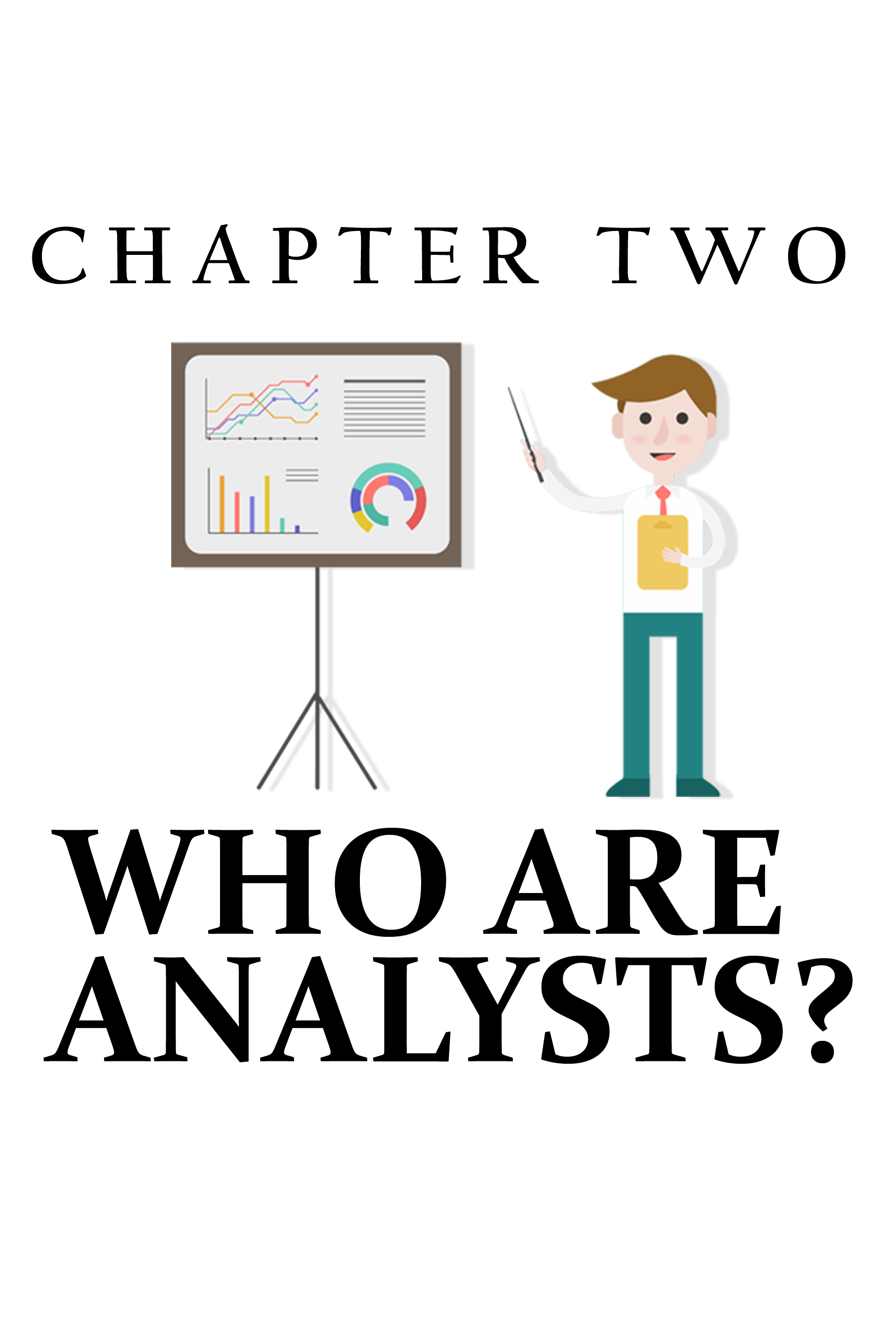
Chapter 2 – Who Are Analysts

Chapter 3 – Current State of Analytics in the Philippines

Chapter 4 – Why We Need More Analysts

Chapter 5 – Basic Analysis – It’s Fun and its Easy

Chapter 6 – Finding the Right Data

Chapter 7 – Big Data & Data Warehousing

Chapter 8 – Let Your Data Do the Talking

Chapter 9 – Business Intelligence & Data Visualization

Chapter 10 – Descriptive Analytics: How We Got Here

Chapter 11 – Predictive Analytics: Where We Are Going

Chapter 12 – Prescriptive Analytics: Charting Our Path

#GrowMoreDMAI