Why Analytics Projects Fail – #11: No End User Participation

One the most overlooked and under appreciated parts of assuring a successful analytics implementation is getting the participation of end users. End users being defined as the consumers of either the data, the analysis and/or the reports that come out of the project.

I can tell you countless horror stories about stacks of reports that go unread, email summaries that are never opened and business dashboards that are rarely clicked on. In most cases, all because the end user was not involved in the project or its development process.

One example of this is when the ones who need the reports are not asked what they need in the report.  This is more common than you might think. Requirements, no matter how well thought out, will always overlook something someone needs. Another reason is not finding out how the end users want it to look. They often are omitted from the design phase and just left to use it. Worse it’s possible that what is delivered in not even compatible with other things they do. This leads to failure by not being useful, a complete waste of time and resources, especially yours.

TPS-Report

The best way to assure end user use is to have them involved at the earliest stages of the project. If you are selecting the project team or have influence on the team makeup, make sure you get an end user who can speak for that audience. It might be more than one person.

Another way is to keep the end-users informed and allow for feedback. Finding ways to work feedback into your project is another place you would be surprised by how often it is not done.

And finally make sure you build in a testing period before your project goes into production. In some cases this might include the feedback phase, but in big projects there is often a need for end user testing. If you don’t shepherd this effort, who will?

If you are no sure how to go about involving the end users and/or are not sure of who all the end users might be, then you should really answer those questions as early as possible. No one wants to see their hard earned work just end up in the trash bin because it does not fit the need it was designed for.

The key to using analytics in a business is like a secret sauce. It is a unique combination of analytics talent, technology and technique that are brought together to enrich and empower an organization. A successful analytics culture is not easy to create, but DMAIPH can show you how. Contact DMAIPH now at analytics@dmaiph.com or connect with me directly so we can build a strategic plan to turn your company into analytics driven success story.

Analytics Culture – The key to using analytics in a business is like a secret sauce that fuels Data-Driven Decison-Making. It is a unique combination of analytics talent, technology and technique that are brought together to enrich and empower an organization.

A successful analytics culture is not easy to create, but DMAIPH can show you how. Contact DMAIPH now at analytics@dmaiph.com or connect with me directly so we can build a strategic plan to turn your company into analytics driven success story.

Why Analytics Projects Fail – #10: Key People Leave

One of the toughest analytics challenges to fix is when key people leave. This reason is another people problem, but with a technology bent. Depending on the importance of the person(s) who leaves, you can experience anything from a minor hiccup to a total meltdown of your project.

One example of this is when the one who built the database leaves. Often they take their unique knowledge of the data structure with them.  Another example is when the systems architect who knows the ins and outs of where the data flows departs. This can make it difficult to track down errors and bugs. Lastly,  the database admin who wrote the code might be the one who quits, taking with them all their coding work. I can even be worse if they leave on bad terms and take a key piece of your development work with them or even destroy it.

In general, the best outcome you can hope for is to is build workarounds that allow you to keep the project going, however sometimes you are better off just starting over or worst case you just live with what you have. So step one is seeing where you are in the process and then determining what it would take to replace that person.

If you are able to continue, then you need to start doing a better job of documenting and making sure information is shared so this won’t happen again. I learned this lesson early in my career. Learn all you can about all aspects of the data environment and document them. A lot of times a clear understanding and documentation will be required by management to assure funding and resources.

4.6

If you have to stop the project until you can find a replacement, then you should also learn, document and share everything so that the new person can pick things up as soon as possible.

In this case, the new person will likely be dependent on you to learn the ropes so use that opportunity to change your culture to be more open.

A final point to add, make sure you understand why the person left.

If there are things you can do to make sure the same thing does not happen again then it is on you to do just that. If it is a cultural thing, then you can be a catalyst for change. If its a compensation thing, then you can help define the expected scope of work and help in the compensation planning. If they left because of a personality conflict, then you can help find someone who will fit in better. Analysts have so much power to shape conversations. Use it.

Analytics Culture – The key to using analytics in a business is like a secret sauce that fuels Data-Driven Decison-Making. It is a unique combination of analytics talent, technology and technique that are brought together to enrich and empower an organization.

A successful analytics culture is not easy to create, but DMAIPH can show you how. Contact DMAIPH now at analytics@dmaiph.com or connect with me directly so we can build a strategic plan to turn your company into analytics driven success story.

Why Analytics Projects Fail – #9: Bad Data

In my experience, most of the time analytics projects fail its generally traceable back to a purely human problem. However, sometimes you see things fall apart because of technology, the misuse of technology and/or just bad technology. This is the case when projects fail because of bad data.

There are a lot of ways bad data can happen.

One common way you end up with bad data, is the data was not captured correctly. Perhaps the data was manually input with lots of error. Or maybe your data is not consistently collected so it has gaps. Knowing what exactly goes into capturing your data and being able to understand how it is collected is extremely important.

zurich_image_april_10-323x353

Another cause of bad data is that you are not getting all the data or you are getting data that has been altered. A lot of times when data passes from the collection point to you, it might be being truncated, or blended, filtered or converted. Lots of databases are structured for optimal data storage, not usage. A lot of database admins who don’t really know the data will add data flow shortcuts. Or maybe the fall under the datakeepers category and partition or cut out some of the data you need.

Bad data also comes in the form of old and out of date data. When you are making decision on data that just not recent enough, it can lead to a lot of problems. Keeping data fresh is something some companies just don’t value. If that’s the case, you will likely see your analytics initiatives come up with analysis that points you in the wrong direction.

In all three of these examples, one solution I suggest to mitigate the chance you have bad data is to build a data map. Learn about every point in a data flow that touches your data. Talk to the ones in charge of each touch point to make sure your data is not being impacted in any way that can result in bad data. Even if you cannot fix the problem, understanding it can help you set more realistic expectations of what your analytics project can achieve.

I have found using Visio to build data flow visuals is the best way to explore, document, and report how the data being used in my projects is being impacted by the environment it lives in. Knowing Visio is a valuable skill for an analyst. If you don’t use it, I promise you that once you do you’ll be sending me a thank you.

may18

Analytics Culture – The key to using analytics in a business is like a secret sauce that fuels Data-Driven Decison-Making. It is a unique combination of analytics talent, technology and technique that are brought together to enrich and empower an organization.

A successful analytics culture is not easy to create, but DMAIPH can show you how. Contact DMAIPH now at analytics@dmaiph.com or connect with me directly so we can build a strategic plan to turn your company into analytics driven success story.

Why Analytics Projects Fail – #8: Lack of Resources

To start with a lack of resources should probably be called lack of time. Lack of time to design an effective strategy. Lack of time to find the right talent. Lack of time to get everyone on the same page.  We are all just too busy and have too much to do. We say lack of resources, but mostly we mean our team doesn’t have time.

A lot of times you hear about failures with analytics projects is because of lack of resources. When I hear about this, I always ask for a better definition of what is meant by lack of resources. Is it lack of leadership support, lack of funding, lack of strategy, lack of focus and vision, lack of talent? They are all often disguised as lack of resources.

In each of the previous seven blogs in this series I talked about a reason why analytics projects fail and since they can all fall under the boarder lack of resources, let’s do a quick recap.

  1. Lack of Focus – People are not on the same page
  2. Lack of Vision – People don’t know where this is going
  3. Lack of Management Support – People don’t know who to follow
  4. Lack of a Champion – People have no one to cheer lead
  5. Lack of Organizational Support – People don’t really care
  6. Lack of Funding – People don’t want to waste money on this
  7. Lack of Talent – People can’t do the job

There are all people driven reasons for why your project may be in danger of failing. They are all fixable using people skills. This is why I often argue a good analyst who can communicate is worth more than a great analyst who cannot. The reasons why analytics projects most often fail is human, not technological.

65732ad3-ba3f-47c3-af82-fa2a6c65bdd7-large

In the end, for whatever of the reasons above, your project is in jeopardy, it will be up to you to show people why they should invest the time needed to get things back on track.

You have to push for focus, share the vision, educated your managers, become a champion, gain organizational support, secure funding and align the right talent to make things work.

I have been in this situation numerous times. In every situation the one constant variable that changed possible failure into a success was me. Bring a truly great analyst means showing people how your project will be a solution to their problems and is well worth their investment of time.

When you do this, they you won’t be in a place where lack of resources dooms your analytics project.

#IamDMAI

Analytics Culture – The key to using analytics in a business is like a secret sauce that fuels Data-Driven Decison-Making. It is a unique combination of analytics talent, technology and technique that are brought together to enrich and empower an organization.

A successful analytics culture is not easy to create, but DMAIPH can show you how. Contact DMAIPH now at analytics@dmaiph.com or connect with me directly so we can build a strategic plan to turn your company into analytics driven success story.

Why Analytics Projects Fail – #7: Lack of Talent

When analytics projects fail due to lack of talent, this is generally symptomatic of a bigger cause. Lack of talent is something that can be much harder to fix then just hiring someone.

One of the reasons behind the lack of talent may be a misunderstanding of the project by senior leadership or just an overall lack of management support. As I mentioned in a previous blog, the best thing you can do is work with a senior leader to help them understand what level of talent is needed. When you do this you can enhance your analytics solutions and have them advocate for you to get the right talent.

Lack of vision and/or focus by your organization can also result in not having the right talent available for the job. It might not even be the analyst, but the it might be something missing within the development team or the project implantation team. This generally ends up with analytics solutions being full of patchwork shortcuts that limit their impact.

Lack of funding can also be an issue, where your organization just can’t offer a competitive package to the available talent. This is becoming even more of an issue lately as good analytics talent is in high demand and the supply can’t come close to keeping up.

Having the right analyst, with the right skills sets, the right training and the right tools aligned to give your business a good analytics solution misfires a lot. There are hundreds of business intelligence tools, thousands of types of databases, all generating very unique reports. When one of these elements does not match up it can easily cause a failure due to lack of talent.

1960033_10152334044802022_1470432615_n chili

My suggestion if you think you have a lack of talent problem is draw some kind of process flow. Who are all the players in each part of the process? What applications are used to collect, store, analyze and report your data? What programming or language skills are required?  When you lay all this out then you have an idea of what skills and experience your analyst needs. Combine this with the people side of the job, what communication skills, what data visualization skills, what project skills does your analyst need? If you don’t have anyone in the organization with this list of skills, you need to either hire one or create one.

When you look at job postings right not for analysts, its easy to see that requirements vary greatly across positions.  No two companies have the exact same analytics needs not employee analysts the exact same way. So if you are going out to hire one, make sure you have a clear idea of what you need and not get caught up in looking for an analytics rock star.

It is often easier to actually look inside and find someone who can be trained to take on the role. Having internal business knowledge and knowing the organizational culture are huge plusses. A lot of time because that person doesn’t have the skills on their resume yet, they get excluded. However, I have always favored promoting from within and upskilling then going out and hiring an unknown variable.

So if you think lack of talent is killing you analytics project and are not sure what to do next. Connect with me. Let’s build a job description that tailor fits your needs and see where the best place is to find them. It’s probably someone sitting in a cube next to you.

Analytics Culture – The key to using analytics in a business is like a secret sauce that fuels Data-Driven Decison-Making. It is a unique combination of analytics talent, technology and technique that are brought together to enrich and empower an organization.

A successful analytics culture is not easy to create, but DMAIPH can show you how. Contact DMAIPH now at analytics@dmaiph.com or connect with me directly so we can build a strategic plan to turn your company into analytics driven success story.

Why Analytics Projects Fail – #5: Organizational Politics

One of the biggest hindrances to the success of analytics projects is something most of us have experienced, organizational politics.

Organizational politics are informal, unofficial, and sometimes behind-the-scenes efforts to sell ideas, influence an organization, increase power, or achieve other targeted objectives. This is what happens when you find yourself being thrown under the bus… taken a fall for someone else’s mistake.

If you are lucky to have escaped organization politics for the most part and wondering just how they can lead to the downfall of an analytics project, let me share with you an idea what that looks like.

Data is horded. People don’t like sharing because its not encouraged or rewarded. In some cases people can be outright mean about it. Keeping data that they know can have a positive impact for others just to hold power over someone. It’s nasty.

This generally comes because senior leaders don’t really see the big picture and don’t share much themselves. This trickles down to the ones with the data and they build castle walls around their information and act as gatekeepers.

Print

Projects can also be hindered, stalled or killed for no reason other than your boss lost to another boss. I once had a million dollar analytics project shelved because my boss got in trouble with the big boss. Nothing to do with me or my project or its cost or its benefits, it was completely because of something out my control.

When asking around you might hear of an experience like this as well. People hoard, manipulate and/or alter data not because it is being rewarded or encouraged, but because they are afraid being caught red-handed. A good analyst has to be willing to  report the good with the bad.

One area of organizational politics you can control though is your likability. I make the comment a lot, that you have to be likeable to be an effective analyst. If people like you they share data with you, they advocate for analytics, they support you in a multitude of ways.

If they don’t like you, then its gonna be hard to be seen as an asset to the organization. An analysts job is to educate, illuminate, and inspire… you can’t do that with a bad reputation. This is a lesson many of us have to learn the hard way, but once we learn it we can see opportunities to increase our likability factor and actively use them to push our projects forward.

So the outcome of an analytics project you are working with is in jeopardy if you are in an organization rife with office politics. SO short of updating your resume, what can you do to turn the boat around?

Here are 3 things I suggest:

  1. Get buy in from the top. Make sure what you do feeds its way up the food chain. Make sure the top dog’s analytics needs are being met and if they are not show how they can be.
  2. Use your data to show win-wins. Find examples of where if we combined data from one source with data from another source you would have the makings of something even greater.
  3. Buy lunch for the ones hording the data. Extend the olive brand, multiple times if need be. If you don’t stating being the catalyst for data sharing, who will?

If you can start impacting some of the negative consequences of your organization’s internal politics then your analytics projects will start seeding positive change. And that will eventually make all the difference in your success or failure.

If you need help combating some of the office politics in your organization that are hindering you analytics projects, connect with me and we will figure it out.

img_7737

Analytics Culture – The key to using analytics in a business is like a secret sauce that fuels Data-Driven Decison-Making. It is a unique combination of analytics talent, technology and technique that are brought together to enrich and empower an organization.

A successful analytics culture is not easy to create, but DMAIPH can show you how. Contact DMAIPH now at analytics@dmaiph.com or connect with me directly so we can build a strategic plan to turn your company into analytics driven success story.

Things Data-Driven Cultures Do

Data-Driven Cultures Do These Things:

  1. They embrace Big Data. They aren’t afraid of it. They relish the addition of new data sources and actively look for more.
  2. Managers use Evidence-Based Management techniques. Just about every choice comes based on data analysis.
  3. Challenges are addressed with Data. When something happens that was unexpected, the challenge is met with a data centric approach.
  4. The right data is being used. A lot of work goes into validating data and keeping it clean and fresh. The concept of having a data lake that supports multiple parts of the business is in place.
  5. The have the right analytics talent. Analysts are empowered to go out and discover not just current challenges, but look for potential ones as well.
  6. The know how to communicate. The sharing of information is done to benefit everyone. You won’t see lots of data trapped in silos. Data has no one true owner.
  7. They take action based on their data and analysis. You don’t see a lot of useless reports that kills a small forest or clog up an inbox with massive files. They keep it smart and simple.

Like most of the blog posts in this series, I took inspiration from Bernard Marr when I came up with this list, adding my own analytics spin.

Data-Driven cultures are a lot harder to find then they should be. In this day and age, every company should have a strategy on how to use data to drive more intelligent decisions, but they don’t .

Success eludes many companies because they don’t have the 7 qualities listed above in place. If you were to ask what they look like it would be something akin to this:

  • Top management is afraid of data. Senior leaders don’t even know how to use MS Excel. There is no analytics champion in the organization to spearhead data projects.
  • Decisions are made based on what worked in the past, relying on experience and gut feel. There is little evidence used to go in any certain direction.
  • When things don’t work out, data and analysts take the blame. You will hear a lot of “why didn’t you tell me” and “I didn’t see it coming” excuses.
  • What data is being used is old, dirty, incomplete, full of errors and doesn’t tell the whole story. Reports are basically useless and just produced to look at what people generally already know. They look for what’s there, oblivious to what’s not.
  • They don’t not share data. They hoard it. They don’t trust anyone else with access to it. The data is stored in unconnected storage places. There is no common understanding how to use data.
  • They fail a lot. Success generally happens by hard work as much as luck. It’s impossible to know for sure what caused what to happen.

It’s not easy to take a company that has little or no data-driven decision-making and turn it into an Intelligent Company, but it can be done. I have done it. I have guided transitions from the stone age to the information age. Let me show you how.

jobspicture2

The Philippines is at the center of the action when it comes to solutions to the global need for analytics. Blessed with a solid foundation of young, educated and English speaking workforce, companies around the world are look for Filipino analytics talent to fill analytics positions.

DMAIPH specializes in arming the Data-Driven Leader with the tools and techniques they need to build and empower an analytics centric organization. Analytics leadership requires a mastery of not just analytics skill, but also of nurturing an analytics culture. We have guided thousands of Filipino professionals to become better analytics leaders. Contact DMAIPH now at analytics@dmaiph.com or connect with me directly to discuss a uniquely tailored strategy to ensure you are the top of your game when it comes to Analytics Leadership.

I Would Add Good Data & Analytics …

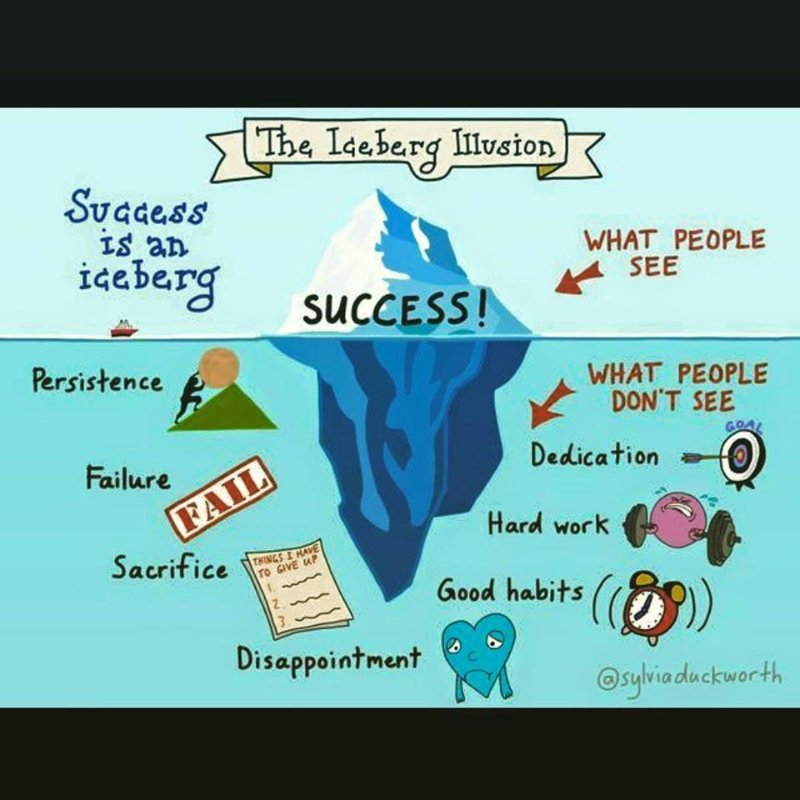
I came across this picture awhile back … For anyone who consistently challenges themselves, they can relate to most of these points.

AAEAAQAAAAAAAAR8AAAAJDlhMjA1Mzc1LTAzOWYtNDA2YS04YTk0LWY1NDRjOTNmZWM2Nw

  • Persistence
  • Failure
  • Sacrifice
  • Disappointment
  • Dedication
  • Hard Work
  • Good Habits

And to this list I will add two more:

  • Good Data
  • Analytics

One thing I think we do not do enough of in both personal and business decision-making is to find ways to track the effectiveness of being persistent. Knowing when to stay the course, go in reverse or take a quick turn to the left can guided by tracking the success behind being persistent.

Likewise, having a measurement for failure vs. success can be important too. In sports we look at failure rates all the time.. .a .200 hitter or a 25% shooter is a failure. So its much easier to know if you are good at hitting a ball or making a basket when you have measurements.

Sacrifice and disappointment are a bit trickier to quantify, but we can still come up with ways to measure these too through tools like a self-assessment or survey.

Dedication, hard work and good habits can also be challenging to tie a metric too a first. But if you come up with formulas that take production, quality and consistent data and combine them you can come up with something workable.

Infusing some data and analytics into how you judge your success will go a long way in helping you maintain that level of success.

Good data is pieces of information or knowledge that can be used in measuring success. How do you know if you are successful unless you have something to compare your data too.

Analytics allows you to use the data for analysis to understand how you got to be a success and what factors might cause you to lose that success.

Curious about how to put some more data and analytics into your business. so you can have a better idea of what success is supposed to look like? I’m here to help.


The “DMAI” in Risk & Compliance

When it comes to risk and compliance, the most successful teams are the ones who empower data-driven decision-making through the use of analytics and business intelligence. By bringing together the best talent, cutting edge technology and tried and true methodologies risk can be optimally mitigated and compliance best achieved.

The three primary skill sets I bring to the table are data-driven decision-making, analytics and business intelligence have served me well in both my risk and compliance work with Wells Fargo and in running my own business. Finding the right data at the right time is key to seeing potential issues before they arise, quickly solving them once they do, and putting the monitoring in place to make sure they don’t happen again.

Some of the risk and compliance successes I have achieved during my career include:

  • Managed project teams on a variety of analytics and compliance initiatives while providing guidance to less experienced consultants. This includes extensive anti-money laundering research and investigation data projects for bank remittances.
  • Identified compliance training opportunities and designed compliance training materials while with Wells Fargo Commercial Mortgage on various investment products.
  • Delivered extensive training on using big data and analytics to mitigate risk and follow compliance requirements across various financial services companies in the Philippines.
  • Have worked with a variety of internal and external resources during my 15 years with Wells Fargo to provide my expertise in analytics, risk management and compliance adherence.
  • Applied my process improvement knowledge (Lean Six Sigma) and data analysis expertise to develop corrective action plans and facilitate change with several departments of Wells Fargo and with dozens on clients in the Philippines.
  • Developed comprehensive reports and business dashboards using MS Excel, Tableau and Qlikview to deliver analysis to senior business leaders to influence the establishment of risk detection and mitigation controls. Relevant reporting topics from my time in Wells Fargo Card Services include anti-money laundering, remittance limit hits, high risk customer behavior, card services usage, competitor intelligence, household cross sell, and market penetration.
  • Worked closely with IT teams at various points in my career to develop security controls, risk monitoring tools, and QA reports to determine effectiveness of payment solutions with both Wells Fargo and within my own outsourcing business. I know how to code, I know how data is structured, and I know how data should be reported when it comes to risk & compliance.

10406025_10152524531307425_1404103117_nOverall, I have 20 plus years working in positions where managing risk and meeting compliance standards are part of the daily routine.

This has gifted me with an extensive knowledge and understanding of payment products like credit cards and remittances, fraud detection and prevention, and practical experience with risk monitoring and controls.

So from my perspective, Risk Management & Compliance needs to be neck deep in data-driven Decision-Making, Analytics and business Intelligence to be able to stay ahead of the game.

Analytics Consulting – DMAIPH specializes in a variety of analytics consulting solutions designed to empower analysts, managers and leaders with the tools needed for more data-driven decision-making. We have helped dozens of companies get more analytics in their business. Contact DMAIPH now at analytics@dmaiph.com or connect with me directly so we can tailor an analytics solution made just for your unique requirements.

Why Analytics Projects Fail: #4 – Lack of a Champion

A lot of time analytics project fail because there is no designated champion for the project.

I see a lot of money wasted on analytics technology because there is no one in the business who masters the technology. Who knows how to use it better than anyone else and knows what more can be done if other people become experts.

Good analysts are curious above all else. In the right place, they can do amazing things to drive innovation, increase profit, optimize processes and build market share. When you don’t have a a champion the outcome of any analytics project will be in doubt.

The most curious person in the organization should be the analytics champion because they love to go out and find the data to answer any business question that comes up.

If your analytics project doesn’t have a champion, then you most likely see a general lack of focus, an unclear vision and an uninterested leadership. Can you be that champion? If you think you can then do the Moneyball and Enchantment things from my last blog. They will help you gain your champion’s belt.

When you read Enchantment, you will start to understand that an analytics champion does as much influencing with their analysis as they do reporting.

Another way t5.5o be seen as the champion, is to make friends with people. Dropping off a box of donuts with the IT developers or sending thank you notes to project team members who went above and beyond is just as important as mastering the coding language used by your new analytics tools.

I keep a lot of analytics books on my desk. I make it obvious that I am always thinking about data and how to use it to improve what we do. I share a lot of content about analytics on social media. People know me as the data guy. You want to be like that if you want to be crowned Analytics Champion.

Analytics Culture – The key to using analytics in a business is like a secret sauce that fuels Data-Driven Decison-Making. It is a unique combination of analytics talent, technology and technique that are brought together to enrich and empower an organization. A successful analytics culture is not easy to create, but DMAIPH can show you how. Contact DMAIPH now at analytics@dmaiph.com or connect with me directly so we can build a strategic plan to turn your company into analytics driven success story.