Tomorrow I Will Be Facilitating A Data Analytics Workshop > I Love Data!!!

I love data!

And with that love of seeing the numbers behind things and the stories the data tells, I get to do what I do best… train people to use the data in their business to drive better decision-making.

Topics covered in the training include:

  • What is Data Analytics?
  • Overview of Data Analytics in the Philippines
  • Self-Assessment of our own Data Analytics
  • Finding, Mining and Presenting Data
  • Big Data and Data Warehousing
  • Descriptive, Predictive, and Prescriptive Analytics
  • Business Intelligence and Business Dashboards
  • Using Data Analytics to Drive Decisions

ANALYTICS CAN

The first three parts of the training set the foundation we currently see in most organizations concerned with data analytics. Knowing who are analysts and learning more about the world wide talent gap helps get us in the mind set that we have to do more with less.

The next section is all about using methodologies to be more efficient and optimal in finding, mining and presenting data. This is targeted to building better reports that do more then just report, but actually influence decision-making.

The next two sections are the heart of the class… talking about Big Data and the 3 types of analyitics. This is an area most people coming to the training really gain a lot of useful insight from.

Sections 7 and 8 are all about adding value to take a good analyst and empower them to be a great analyst.

I’m expecting 12-15 people which is the idea size for a group discussion with a lot of give and take about how data analytics is being used and what can be done to raise the bar.

Nerd alert. I love this stuff!!!

It Will Be An Awesome Recruitment Analytics Training on August 4th.

Going to be training tomorrow on Recruitment Analytics with over 30 participants.

Topics covered in the training include:

  • What is Recruitment Analytics?
  • Recruitment Analytics in the Philippines
  • Self-Assessment of your Recruitment Analytics
  • Finding the Right Data at the Right Time
  • Applicant Tracking Systems
  • Big Data and Recruiting
  • Business Intelligence and Data Visualization
  • Making Data-Driven Decisions

A definition of recruitment analytics is simply the metrics and analysis that relates to recruiting.

However, we all know its actually a lot more challenging in practice.

IMG_1224

New technologies like social networks, applicant tracking systems and business intelligence applications are fundamentally changing the entire recruitment process from sourcing to placement.

The pressure to deliver results has never been greater.

HR and Recruitment managers are now more then ever required to demonstrate the return on investment their efforts are contributing to the bottom line.

The class size is maxed out, but I will be doing another session on September 1, 2015.

It All Starts With A Business Question…

A Business Question is any type of question that is asked to help understand the business better.

Business Questions are generally asked by executives and senior leaders to help them make more educated decisions.

Often middle management and professional staff are required to provide the answer to the question.

There is no bad question.

However, there are many bad ways to try to answer the question.

Good analysts are able to take the question and find data to answer the question, analyze the results and report their findings.

This is true with just about any kind of analysis work.

Learning how to best tackle business questions is what DMAI specializes in.

We have several upcoming events where I will be showing people how to answer business questions using the data they have in and around there business.

  • August 4 – Recruitment Analytics @ the DMAI  office in Ortigas
  • August 6 – Fundamentals of Business Analytics with Inspire @ the Richmond Hotel in Ortigas
  • August 11 – Data Analytics  @ the DMAI  office in Ortigas
  • August 13 – Big Data and Social Media Analytics @ PNP Headquarters in QC
  • August 27 – Big Data and HR Analytics @ SMX with Ariva  
  • September 1 – Recruitment Analytics @ the DMAI  office in Ortigas
  • September 15 – Data Analytics  @ the DMAI  office in Ortigas

Lots of opportunities to hear more about analytics in the coming weeks!

10592010_10152674958362425_1982237172_n

Doing What I Do Best

So I have been doing public speaking and professional training for over 3 and a half years here in the Philippines.

Honestly I takes a few minutes to recount all the times I have spoken about analytics… which is an awesomely good problem to have.

I have gotten used to many of the nuances of doing training here as opposed to doing similar training in the U.S.

Now I know to mix in some Tagalog words, to tell lots of analytics stories using Filipino centric data points and lessons, to be ready to engage the participants in ways that makes them open up and share more.

I also know that someone will always be late because of “traffic sa EDSA” and that just about everyone can relate to things like working for bosses who don’t use data, but “gut feel”.

This really is a great place to conduct training and after 3+ years I am now no longer the only one talking about analytics.

The CHED Memo on Business Analytics,  IBM’s push for the Analytica organization, and seeing so far at least two other training companies offering business analytics. So many awesome things showing I am in the right place at the right time.

By the way… if I can count right the number is 47. And that is in person. If I add radio and TV  its closer to 55.

So Im averaging about 18 a year. And I have 5 more lined up in the next six weeks.

Not bad.

Go Dan Go!!

🙂

IMG_1224

In Demand > DMAI Data Analytics Trainings

Next week I will be conducting a training on data analytics.

Data analytics is generally considered to be the examining raw data with the purpose of drawing conclusions about that information. Data analytics is used in many industries to allow companies and organization to make better business decisions.

Topics covered in the training include:

  • What is Data Analytics?
  • The current state of Data Analytics in the Philippines
  • Self-Assessment of our own Data Analytics
  • Finding the Right Data at the Right Time
  • Big Data and Data Warehousing
  • Descriptive, Predictive, and Prescriptive Analytics
  • Business Intelligence and Data Visualization
  • Using Data Analytics to Drive Decisions

What’s extra cool about this training is that is already full. We are going to add a second batch in August.

The need for having good data analytics in a business continues to grow at a pace much faster than the supply of talent can keep up with.

9.0.2a

Besides the topics above, participants will also learn:

  1. How to do public data mining
  2. How to provide data for business intelligence
  3. How to build better reports in Excel
  4. How to manage data in business dashboard

So if you are interested in getting a better handle on the data in your business and how to build a good data analytics solution, DMAI can help.

PATIENCE AND FAITH ARE OUR BEST FRIENDS

I wish i could remember where i found this, but it definitely speaks to me so I wanted to share it again.

“No one can determine the final destination of our life’s journey. Therefore, the next best thing to do is to keep our cool and have faith in ourselves. Whenever I feel I am detouring from my destiny, I try to remind myself that my journey is my path. It’s a journey full of peaks and valleys, sunshine, and rain. This faith allows me to explore unchartered territory with confidence. I am at ease to fail forward. Because even when we fail, we do not lose it all—we can learn valuable lessons, and build the foundation for our next chapter.”

Keeping a can-do attitude helps us to never give up on ourselves. It allows us to recharge, reinvest, and reinvent ourselves by melting down our fear.

And that’s how I will start 2017!

jobspicture2Analytics Leadership – DMAIPH specializes in arming the Data-Driven Leader with the tools and techniques they need to build and empower an analytics centric organization. Analytics leadership requires a mastery of not just analytics skill, but also of nurturing an analytics culture. We have guided thousands of Filipino professionals to become better analytics leaders. Contact DMAIPH now at analytics@dmaiph.com or connect with me directly to discuss a uniquely tailored strategy to ensure you are the top of your game when it comes to Analytics Leadership.

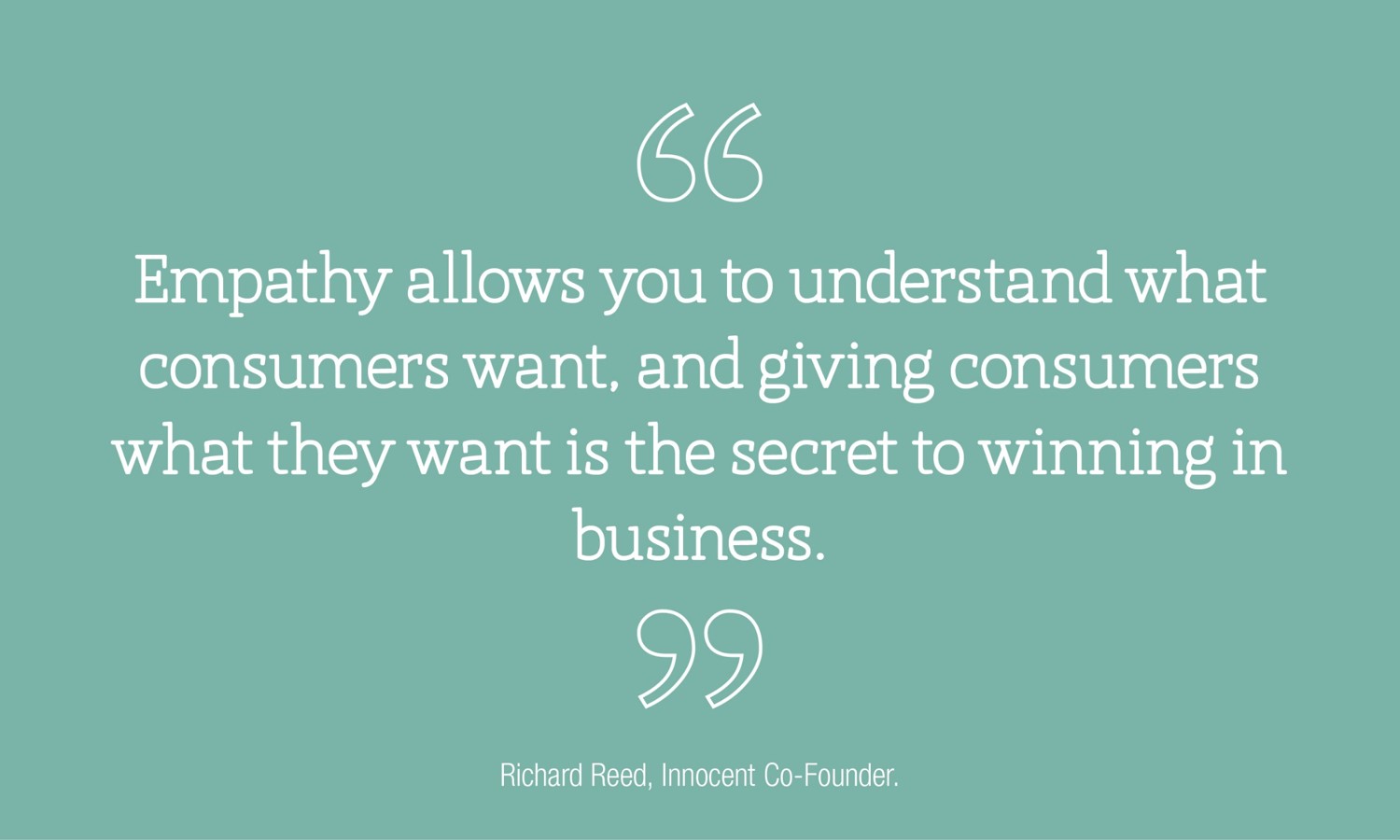
 

em·pa·thy > the ability to understand and share the feelings of another

From Our Recent Customer Care Empathy Training for the DMAIPH team

em·pa·thy > the ability to understand and share the feelings of another.

Per Webster’s… Empathy is

…the action of understanding, being aware of, being sensitive to, and vicariously experiencing the feelings, thoughts, and experience of another of either the past or present without having the feelings, thoughts, and experience fully communicated in an objectively explicit manner.

Per Wikpedia…

Empathy is the capacity to understand what another person is experiencing from within the other person’s frame of reference, i.e., the capacity to place oneself in another’s shoes.

So any way you slice it, empathy is about feeling the pain of another in a way that helps ease some of that pain.

Empathy training is sorely lacking across the call center industry as this kind of soft skills training is taught like a technical skill. You can’t just lecture of empathy. You have to role play and write open ended scripts and practice it until its second nature.

If DMAI is to succeed, we need to have better the average empathy training. If we want to be a great company then we need to have best in class empathy training to make sure we are there for our customers.

Picture1

Analytics Leadership – DMAIPH specializes in arming the Data-Driven Leader with the tools and techniques they need to build and empower an analytics centric organization. Analytics leadership requires a mastery of not just analytics skill, but also of nurturing an analytics culture. We have guided thousands of Filipino professionals to become better analytics leaders. Contact DMAIPH now at analytics@dmaiph.com or connect with me directly to discuss a uniquely tailored strategy to ensure you are the top of your game when it comes to Analytics Leadership.
Excellent Leaders Are Constantly Pursuing Excellence

https://www.linkedin.com/pulse/nature-authentic-leadership-ben-stewart

Here is an excellent conclusion to a blog post about the nature of authentic leadership…

‘Effective leadership can be an elusive goal with no clear path to direct success.  There are, however, many techniques and practices that are consistently utilized to reach this goal.  It begins with personal responsibility and leadership of oneself.  Before anyone has a chance at leading others,  he or she must take ownership of their thoughts, actions, and beliefs.

Possessing a keen insight into human behavior and thought is also critical.  This includes motivating, retaining, and resolving conflicts among the team.  It is unfortunate today that so many leaders become consumed with the ends that they forget the means.  While the bottom line is most often analyzed and how a leader is judged by superiors, it is the responsibility of the leader to ensure that the team respects its members and is passionate for pursuing excellence.  Neglecting this will bring discouragement and cause a serious threat to whatever goal is being pursued.

Leaders must always incorporate the human aspect into their decisions.  In its essence, leadership is about influence.  For a leader to maximize and improve whatever situation they encounter, requires going beyond spreadsheets and routines.  Taking a genuine interest for the team will include a common respect and appreciation for every individual.  Although this is a cumbersome and lengthy process, leadership will prove abundantly more effective.”

IMG_1849

The need for personal responsibility is most important when times are tough. If you are under pressure, its hard to lead others if your are not comfortable leading yourself.

Knowing how people think, and why they do what they do is a key point of success. Leaders who often try to spend time in their subordinates shoes are much more successful.

Pursing excellence needs to be a top motivator for any leader in DMAIPH. To be effective when it comes to working with me you need to understand the power of your influence and comprehend how it is perceived… so that you can get everyone else to follow along on that pursuit to excellence.

Analytics Leadership – DMAIPH specializes in arming the Data-Driven Leader with the tools and techniques they need to build and empower an analytics centric organization. Analytics leadership requires a mastery of not just analytics skill, but also of nurturing an analytics culture. We have guided thousands of Filipino professionals to become better analytics leaders.

Contact DMAIPH now at analytics@dmaiph.com or connect with me directly to discuss a uniquely tailored strategy to ensure you are the top of your game when it comes to Analytics Leadership.

The Challenge Ahead

How do we get better? That’s what is on my mind every day. Most people get up every day and go to work. They have family obligations to meet so they take a job that helps them meet these obligations. However, most people don’t find job that add much more value to their lives then a pay check.

Sometimes we get lucky and find a good place to work. Where we are valued as not just a worker, but a person. Where we are allowed to have more work/life balance then we might have in other places of employment. This is a special place to be. Its not what 90% of the global workforce face every day.

  • So what happens when we find that awesome company to be a part of? In some cases we are empowered to be innovative and to help be part of the success of the company as keep it moving forward. For people who feel this sense of positive energy, work is actually pretty fun most days.
  • However, in some cases we find that even though the company is good to us and we like working there, we find things start to feel routine. We have challenges every day that are either not fun to fix or when we fix it, no one seems to notice. This eats away at our positive feelings about our company.
  • And then we have a third group of people who for whatever reason are in the wrong place at the wrong time. They have challenges in their lives that prevent them from being at work every day. And often when they are at work they don’t feel very engaged. They have a low sense of satisfaction that makes each day on the job more work than its seems worth.

707022c7-f35e-4427-91c0-653a382a3689-medium

So as DMAIPH grows from a company of a half dozen to one of several dozen, how do we keep people trained? How do we make sure we keep as many team members as possible in the first category of engaged and empowered workers?

These is no simple answer. For some more money, for others more responsibility and for others more job variety.  There is no magic solution. It takes a lot of effort from not just the leaders but also from the employees who want to keep enjoying their work and like to work every day for the same company.

The answer of course is analytics. We need to know exactly what they need to stay engaged and to stay with us.

That is what I think about every day. That is THE big challenge ahead. And so should you.

Join us on Feb 21, 2017 in Ortigas to find out what metrics you need to interpret and access the data you have in your business that will tell you exactly what to do to keep attrition low and satisfaction high.

Analytics Leadership – DMAIPH specializes in arming the Data-Driven Leader with the tools and techniques they need to build and empower an analytics centric organization. Analytics leadership requires a mastery of not just analytics skill, but also of nurturing an analytics culture. We have guided thousands of Filipino professionals to become better analytics leaders. Contact DMAIPH now at analytics@dmaiph.com or connect with me directly to discuss a uniquely tailored strategy to ensure you are the top of your game when it comes to Analytics Leadership.

What is Business Intelligence?

Here is a excerpt from the upcoming textbook, Fundamentals of Business Analytics….

What is Business Intelligence?

Per Wikipedia, Business Intelligence (BI) is an umbrella term that refers to a variety of software applications used to analyze an organization’s raw data.

BI as a discipline is made up of several related activities, including data mining, online analytical processing, querying and reporting. BI can be used to support a wide range of business decisions ranging from operational to strategic as well as both basic operating decisions include product positioning or pricing and strategic business decisions include priorities, goals and directions at the broadest level.

The CHED memo breaks business intelligence into four phases:

  1. Data Gathering. Business analysts need to identify the appropriate data-gathering technique by conducting research. Once you have identified the right data, it needs to be captured. This process is the same as the identify process.
  2. Data Storing. A general term for archiving data in electromagnetic or other forms for use by a computer or device. There is a common distinction between forms of physical data storage is between random access memory (RAM) and associated formats, and secondary data storage on external drives. This process is akin to the first part of the inventory process.
  3. Data Analysis. The process of systematically applying statistical and/or logical techniques to describe and illustrate, condense and recap, and evaluate data is the analysis phase. Data analysis has multiple facets and approaches, encompassing diverse techniques under a variety of names. We need to have a data analysis to improve the company’s performance. This process is the 2nd half of the inventory process.
  4. Data Access. Data Access refers to software and activities related to storing, retrieving, or acting on data housed in a database or other repository. Two fundamental types of data access exist: sequential access (as in magnetic tape, for example) Data access crucially involves authorization to access different data repositories. Data access can help distinguish the abilities of administrators and users     For example, administrators may have the ability to remove, edit and add data, while general users may not even have “read” rights if they lack access to particular information. This phase is the equivalent of the integrate process.

It is important to note that business intelligence and business analytics are sometimes used interchangeably, but there are different.

From my perspective, the term business intelligence refers to collecting business data to find information primarily through asking questions, reporting, and online analytical processes.

Business analytics, on the other hand, uses statistical and quantitative tools for explanatory and predictive modeling. In this definition, business analytics can be seen as the subset of an enterprise wide BI strategy focusing on statistics, prediction, and optimization. The CHED memo is more closely aligned to that division as well as the primary focus is on the storage of data and the use of modeling.

As for myself, I worked with business intelligence software and methodologies with Wells Fargo long before I had even heard of the term BI. But for most of you reading this, that is ancient history. 🙂

2.0.5